The 'Bharat Ratna Sir M. Visvesvaraya Memorial Award' ceremony was held with great grandeur in Bengaluru.
October 17, 2026
October 21, 2026,3:44:43 AM


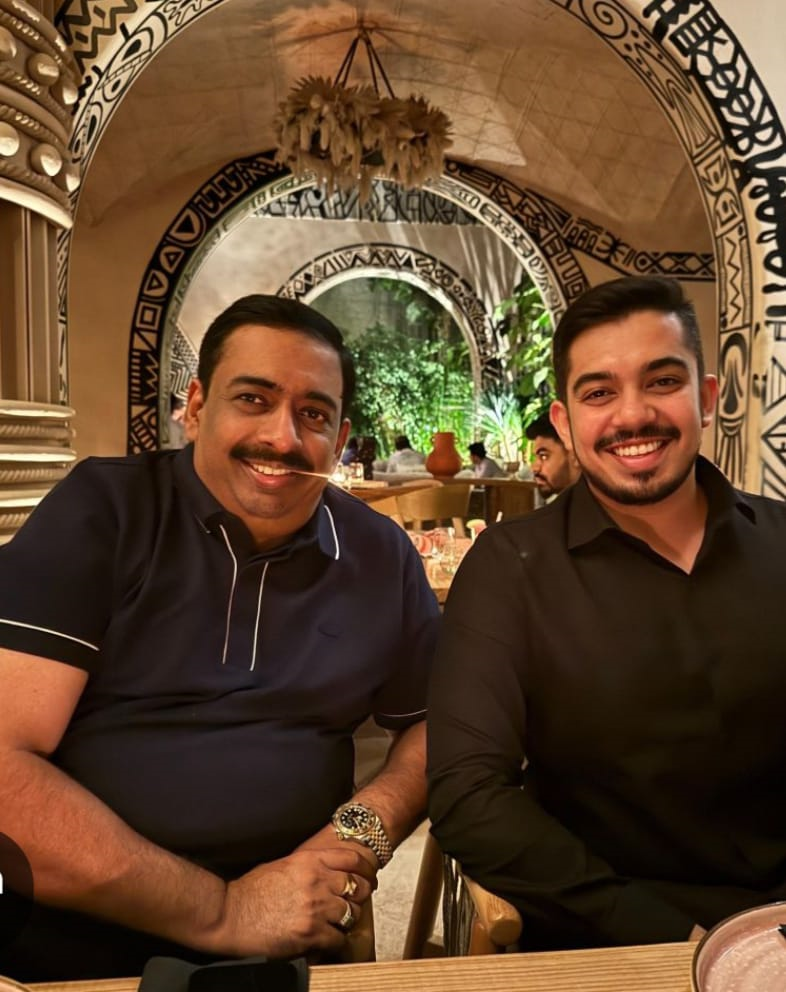
Rahul Joseph, the founder of White Gold, is a Bengaluru-based entrepreneur who started the company in 2017. Public profiles and company coverage describe him as the Founder & CEO of White Gold and also as a director at White Projects Private Limited, with schooling at Mallya Aditi International School.

Background:
He built White Gold around the idea of making gold selling more transparent, ethical, and convenient, especially for people needing quick liquidity from old or pledged gold. Coverage about the company says it began with 5 crore in bootstrapped capital and five Bangalore locations, then scaled rapidly across South India.

Founder profile:
Reports describe him as a young founder from Bengaluru who focused on bringing modern technology and organised processes into a traditionally unorganised gold-buying market. The company’s public narrative credits him with driving its growth from a small Bangalore startup to a large South Indian network.
Public presence:
His LinkedIn profile presents him as building India’s leading gold-buying business, and later coverage and social posts highlight White Gold’s expansion and profitability without external funding. Those sources collectively frame him as a hands-on, execution-focused founder.
Why it grew
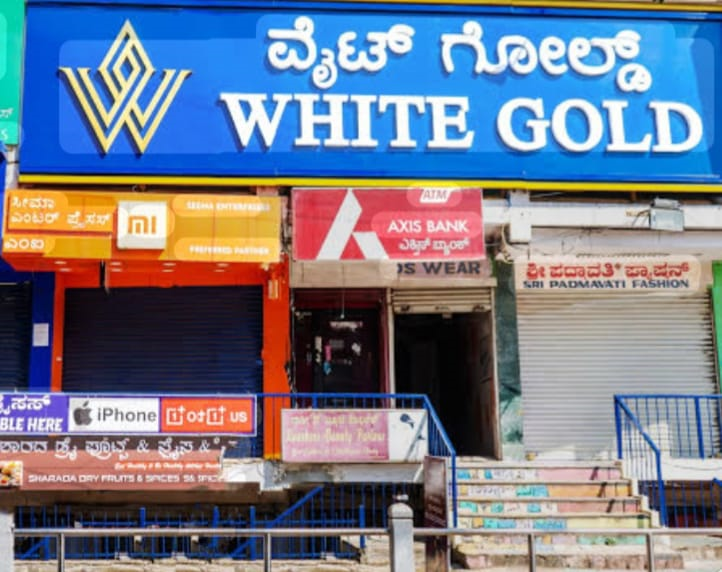
Its growth story is tied to a structured, organised approach in a largely unorganised sector, plus customer-facing features like live MCX-linked gold rates, spectrometer-based purity checks, and trained staff. Reports say it scaled quickly to more than 50 branches across South India and served hundreds of thousands of customers.
Business outcome:
Different press mentions describe White Gold as bootstrapped and highly successful, with revenue figures reported at over 150 crore annually by the early growth phase and ambitions to reach 500 crore in FY 2024-25. Those numbers vary by source and time, but they consistently point to a fast-scaling Bengaluru startup. If you want, I can turn this into a short 100-word profile, a longer case study, or a presentation-style summary.
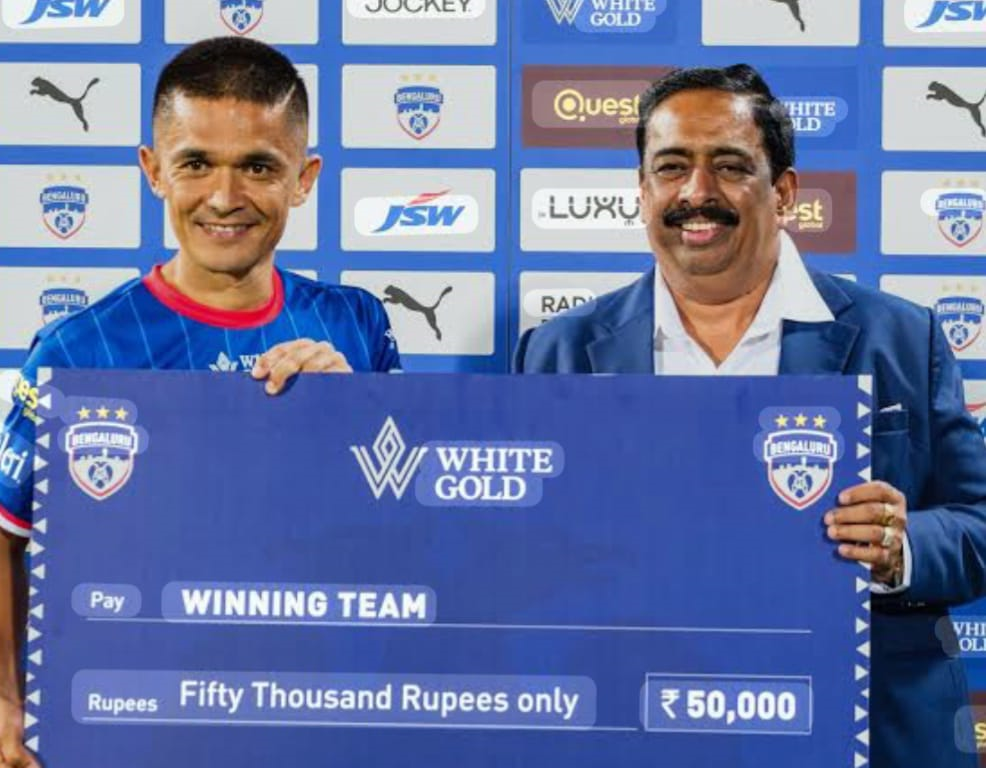
People trust White Gold mainly because it promises a transparent, in-front-of-you gold evaluation, instant payment, and no hidden deductions. Its Bangalore-facing pages and third-party listings also emphasise fair pricing, friendly staff, and quick service, which reinforce that trust.
What builds trust:
White Gold says it uses advanced XRF testing while customers watch, so the purity check feels visible and verifiable rather than arbitrary. It also says it shares a clear weight-and-purity breakdown before payment and processes the money immediately after acceptance.

Why customers return:
The company highlights real-time market-linked pricing, free valuation without pressure to sell, and branch access across Bangalore neighbourhoods, which makes the experience feel convenient and consistent. Reviews on directory and review platforms also mention professionalism, clear explanations, and good prices, which are the kinds of details that usually drive repeat trust.

Reputation signals:
White Gold’s own pages describe the brand as trusted and established, and media coverage says it has become one of the more trusted names in the gold-buying space. It also claims a large branch network across South India, which can help reassure customers that the business is stable and easy to reach.

XRF testing is non-destructive and uses X-rays to identify the metal’s full elemental composition, while traditional acid testing relies on chemicals and usually only gives a rough surface-level estimate. In practice, XRF is faster, safer, and more accurate; acid testing is cheaper but can scratch the item and miss plating or alloy details.
Main differences:
XRF gives an exact breakdown of gold purity and other metals present, often in seconds. Acid testing checks how the surface reacts to acid, so the result is more visual and subjective. XRF does not damage the jewellery, while acid testing can leave marks or require scratching. XRF is better at detecting gold plating and under-karated items, which acid testing may miss.

Simple example:
If a chain looks like 22k gold, acid testing might only say “likely 22k” based on the reaction. XRF can show the actual karat content and the percentages of gold, silver, copper, and other metals in the piece. When each is used, acid testing is still used because it is inexpensive and portable, especially for quick checks. XRF is preferred when buyers want transparency, precision, and no damage to the jewellery.
Turnover: Rs 83 crore, with projected growth beyond Rs 100 crore in the cited period.
October 11, 2026
September 27, 2026
Icons of Indian Business: Icons of Indian Business is a monthly business magazine targeted at Indian business owners, traders and entrepreneurial enthusiasts. It provides online media solutions for Entrepreneurs. IIB has been the definite guide to the diverse challenges of entrepreneurship. Each edition consists of entrepreneurs ... with the all information they require and demand to grow their business. Iconsindianbusiness.com offers a daily source of information, strategic insights and how-to guidance on virtually every area of business management, from leadership to marketing, technology and money matters. IIB connects with millions of business owners who drives forward with the ideas and innovations.Make your brand the preferred choice with these affluent business decision-makers through a variety of customized programs integrated across digital,print,event and community platforms. IIB team works from Bangalore,Karnataka, but has a presence throughout India through its correspondents. IIB published 12 times a year, available in print and digital editions.
© 2024 Iconsofindianbusiness.com. All Right Reserved.