The 'Bharat Ratna Sir M. Visvesvaraya Memorial Award' ceremony was held with great grandeur in Bengaluru.
October 17, 2026
October 21, 2026,4:33:45 AM


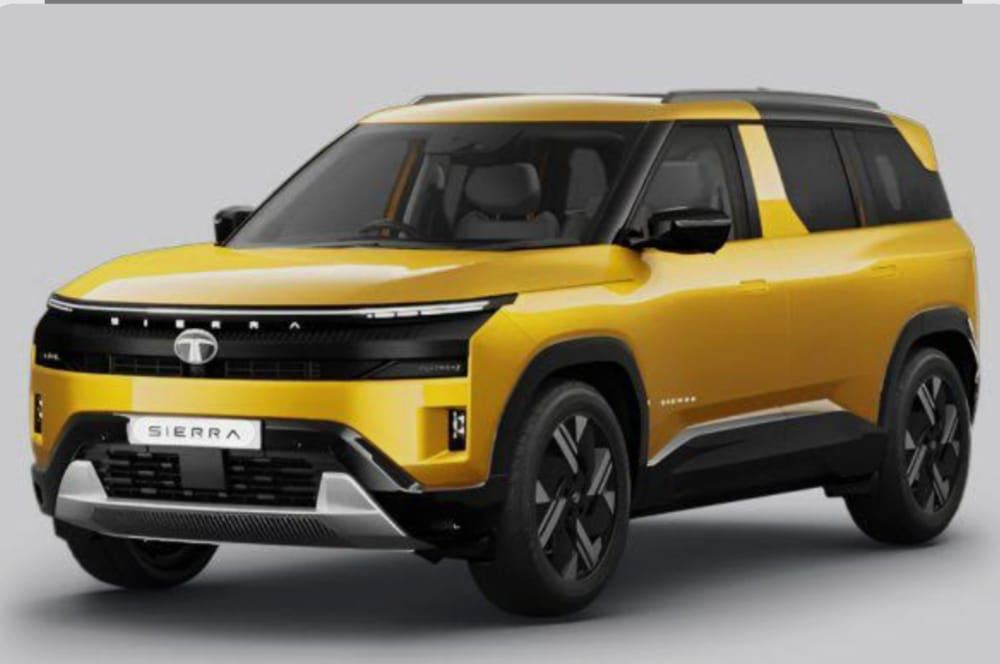
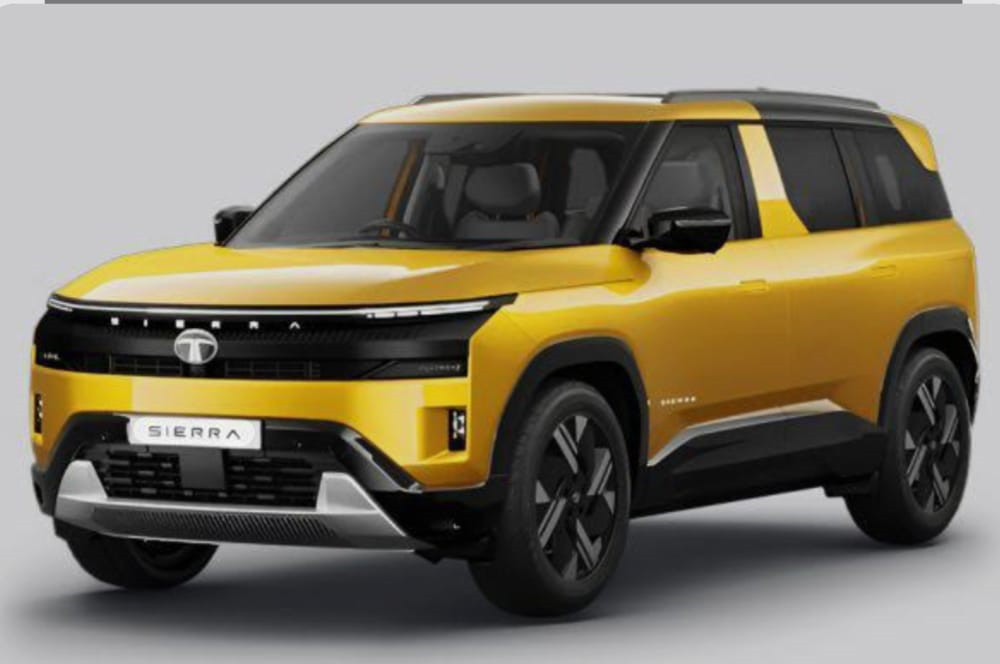
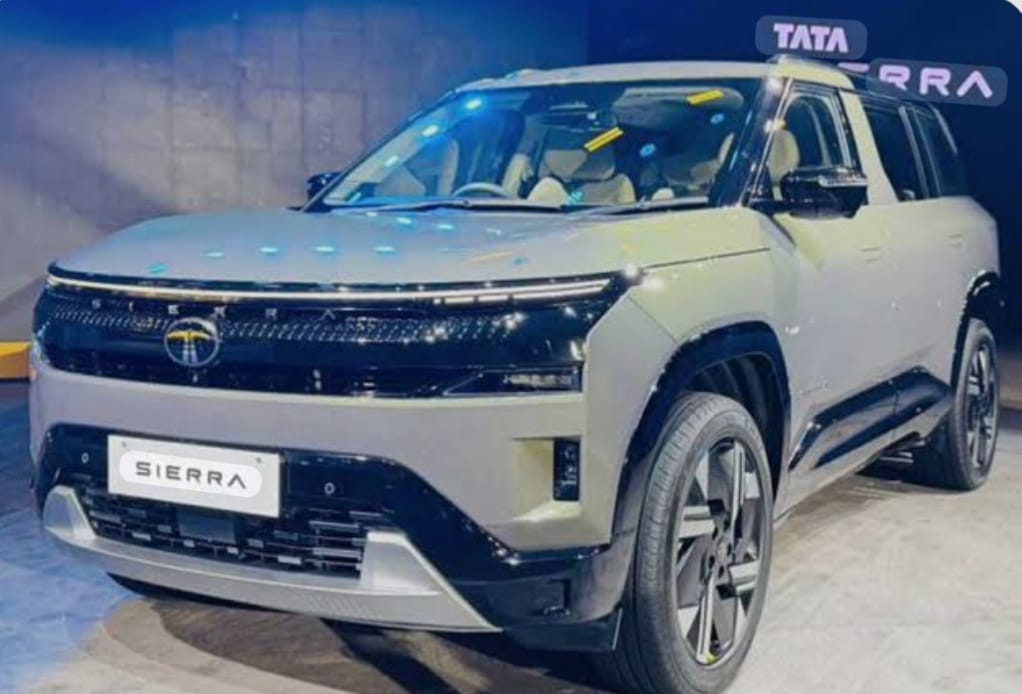
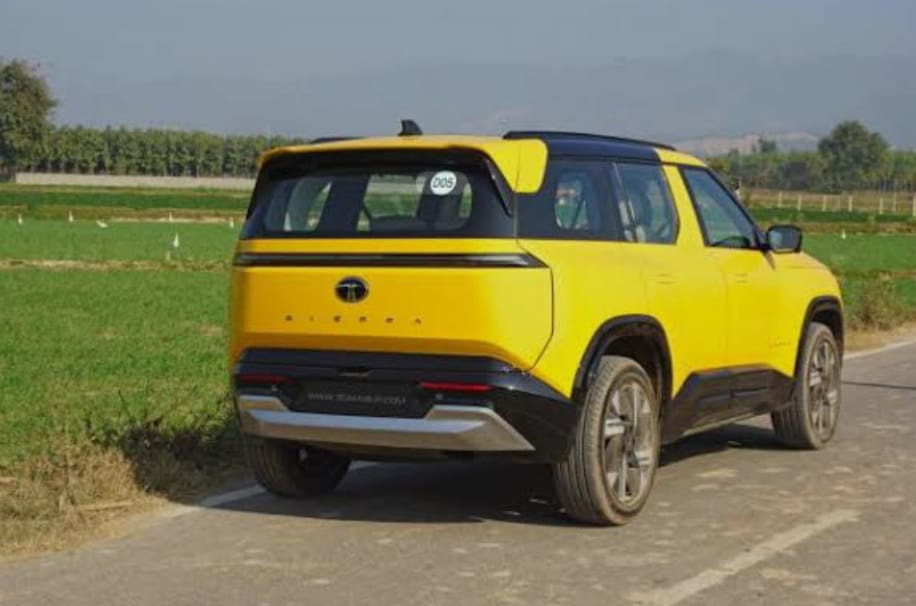
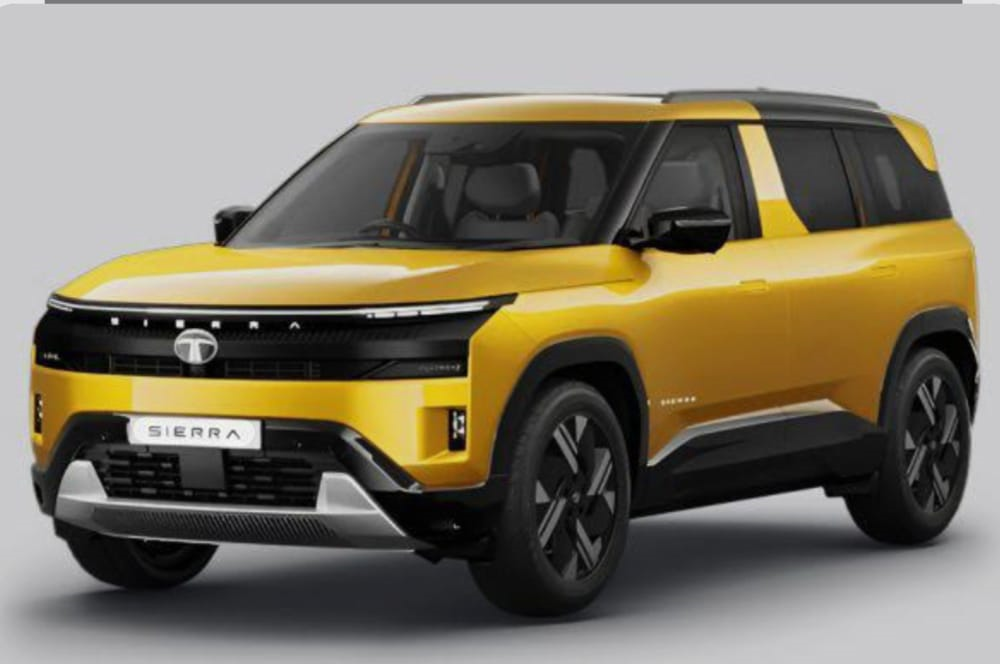
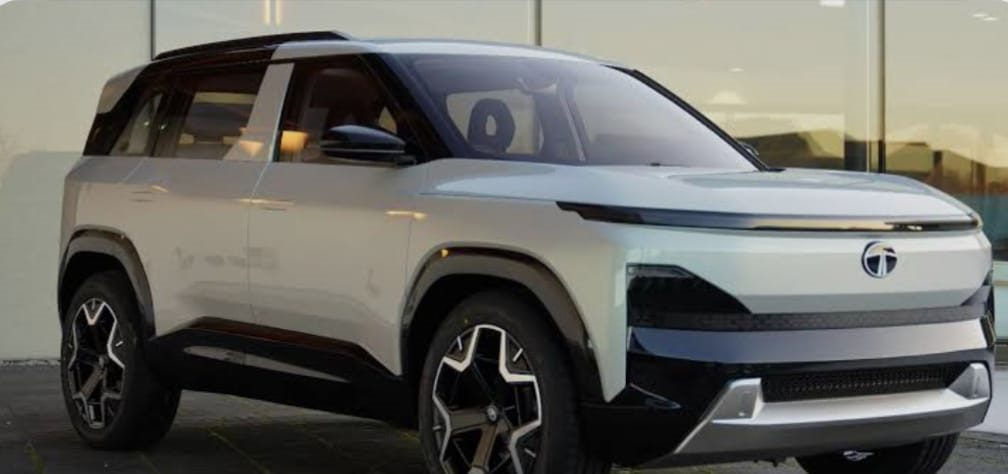
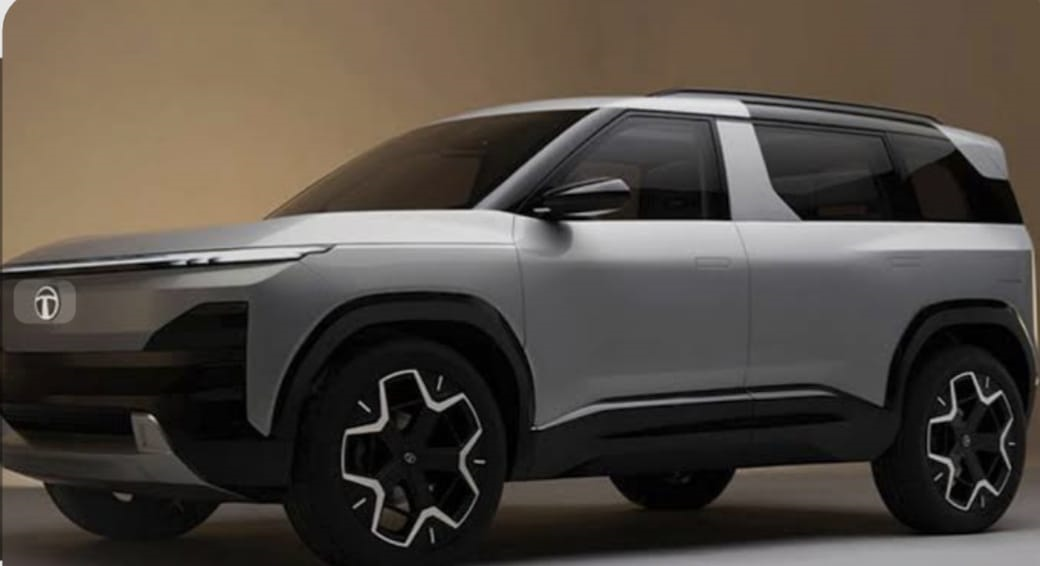
Tata Motors launched the all-new Sierra in India on November 25, 2025, starting at ₹11.49 lakh ex-showroom. It returns as a modern premium midsize SUV with ICE powertrains first, and an EV version is also planned/featured in Tata’s Sierra lineup.
What changed:
The new Sierra keeps the old name and some familiar design cues, but it is a completely reimagined model for today’s market. Tata describes it as a rebirth of an icon, positioned in a new premium mid-SUV space. Main highlights: Price starts at ₹11.49 lakh ex-showroom. Launch took place on November 25, 2025.
ICE versions were announced first, with petrol, diesel, and EV mentions in launch coverage. The feature list includes Level-2 ADAS, a triple-screen dashboard setup, and six airbags. If you meant the old Sierra, the original Tata Sierra was sold in India from the early 1990s until 2003, and the new model is a revival rather than a continuation of that exact vehicle.
Visual reference:
This is the classic Tata Sierra that inspired the comeback. A silver Tata Sierra Turbo three-door SUV parked on a paved road with a beach in the background.
The key technical differences are in the powertrain, thermal system, charging hardware, and drivetrain layout. The ICE Sierra uses a combustion engine and multi-gear transmission, while the EV uses a battery, electric motor, inverter, and usually a simpler single-speed setup.
Powertrain ICE:
fuel tank + engine + exhaust system. EV: high-voltage battery pack + electric motor(s) + power electronics. Drivetrain behaviour: ICE engines build power across RPM, so they usually need multiple gears. EV motors deliver torque instantly and over a wide speed range, so most EVs use a single-speed gearbox.
Energy and charging: ICE refuels with petrol or diesel. EVs charge from AC or DC; the onboard charger handles AC charging, while a DC fast charger can feed the battery more directly. Heat and braking: ICE cars produce waste heat naturally, which helps cabin heating.
EVs need electric heaters or heat pumps because they waste less heat, and they also use regenerative braking to recover energy. What stays similar: Suspension, steering, wheels, and much of the body structure can be shared between ICE and EV versions, so the main differences are mostly under the skin. For the Sierra specifically, the EV version has a cleaner, simpler drivetrain from a mechanical standpoint, while the ICE version offers the familiar engine-and-gearbox setup and easier refuelling.
Regenerative braking can add a noticeable amount of real-world range, but the gain depends heavily on how much you slow down and stop. In mixed driving, it often helps by roughly 10% to 15%, while dense city traffic can push that higher; on steady highways, the benefit is much smaller because there are fewer braking events.
Why the gain varies:
Regen only recovers energy that would otherwise be lost as heat during braking, so it is most useful in stop-and-go traffic, downhill routes, and hilly cities. On flat, fast roads, your range is driven more by aerodynamic drag and cruising speed than by braking losses. What limits efficiency: Not all braking energy can be recovered, because the motor, inverter, battery, and tire-to-road contact all have losses.
Battery temperature, battery state of charge, and how aggressively you brake also affect how much energy actually gets back into the pack. Practical effect on range: A simple way to think about it is this: regen does not create free range; it just reduces wasted energy. That means it can make a commute meaningfully longer on one charge, but it cannot fully offset high-speed driving or poor aerodynamics.
For EV driving, if you drive in Bengaluru traffic, regen tends to help more than it would on long, free-flowing highway runs. Smooth anticipation of stops usually improves range more than hard braking followed by heavy regen.
Maintenance is generally simpler and less frequent on the EV Sierra than on the ICE Sierra. The ICE version needs engine-related servicing such as oil changes, spark plugs, fuel-system checks, exhaust inspections, and more frequent fluid replacements, while the EV skips most of those and focuses on battery, brakes, tyres, coolant where applicable, and high-voltage system checks.
ICE model upkeep:
Oil and filter changes. Spark plugs and air-filter replacements. Fuel-system, exhaust, and transmission-fluid inspections. More regular engine cooling and emissions-related checks. EV model upkeep: No engine oil changes. No spark plugs, fuel injectors, or exhaust system. Brake inspections still matter, but regenerative braking usually reduces pad wear. Battery, charging port, coolant loop, tyres, and software-related checks become more important.
For the Sierra EV, long-term battery health looks reasonably strong under normal use, and the biggest financial protection is the battery warranty. Tata’s warranty page says the Sierra EV battery is covered for 10 years or 2,00,000 km for the first owner, with coverage if state of health drops below 70% during the warranty period.
Battery health over time:
EV batteries gradually lose capacity with age and use, which usually shows up as a modest range reduction rather than sudden failure. The sources I found suggest typical degradation can be around 5% to 10% in the first few years under normal conditions, and slower if you avoid frequent DC fast charging and keep daily charging capped around 80%.
Replacement cost risk:
A full battery replacement is the worst-case cost, but it is usually a rare event within the warranty window. For Indian EVs in general, replacement can be a large expense, and one source notes that battery replacement in India can range from ₹4 lakh to ₹15 lakh or more depending on the vehicle and pack size.
What affects battery life:
Heat, repeated fast charging, and routinely charging to 100% can speed up degradation, while moderate temperatures and gentler charging habits help preserve capacity. That matters in Indian conditions, where high ambient heat can put more stress on the pack over time.
Ownership takeaway:
For most private owners, the Sierra EV battery should be a long-life component rather than a near-term replacement item. The practical long-term concern is usually gradual range loss, not sudden battery failure, and the warranty meaningfully reduces that financial risk.
October 11, 2026
September 27, 2026
Icons of Indian Business: Icons of Indian Business is a monthly business magazine targeted at Indian business owners, traders and entrepreneurial enthusiasts. It provides online media solutions for Entrepreneurs. IIB has been the definite guide to the diverse challenges of entrepreneurship. Each edition consists of entrepreneurs ... with the all information they require and demand to grow their business. Iconsindianbusiness.com offers a daily source of information, strategic insights and how-to guidance on virtually every area of business management, from leadership to marketing, technology and money matters. IIB connects with millions of business owners who drives forward with the ideas and innovations.Make your brand the preferred choice with these affluent business decision-makers through a variety of customized programs integrated across digital,print,event and community platforms. IIB team works from Bangalore,Karnataka, but has a presence throughout India through its correspondents. IIB published 12 times a year, available in print and digital editions.
© 2024 Iconsofindianbusiness.com. All Right Reserved.