Successful story of GRB Dairy Products
September 22, 2026
September 23, 2026,11:52:58 AM


Amul — The ₹1 Lakh Crore Cooperative That Changed India.
This week, an Indian brand made history. It became the first FMCG company in India to ever cross ₹1 lakh crore in revenue. Not HUL. Not Nestlé. Not ITC. A farmers’ cooperative from a small town in Gujarat. Just five days ago, on April 5, 2026, GCMMF announced that Amul had crossed ₹1 lakh crore in brand turnover for FY26.
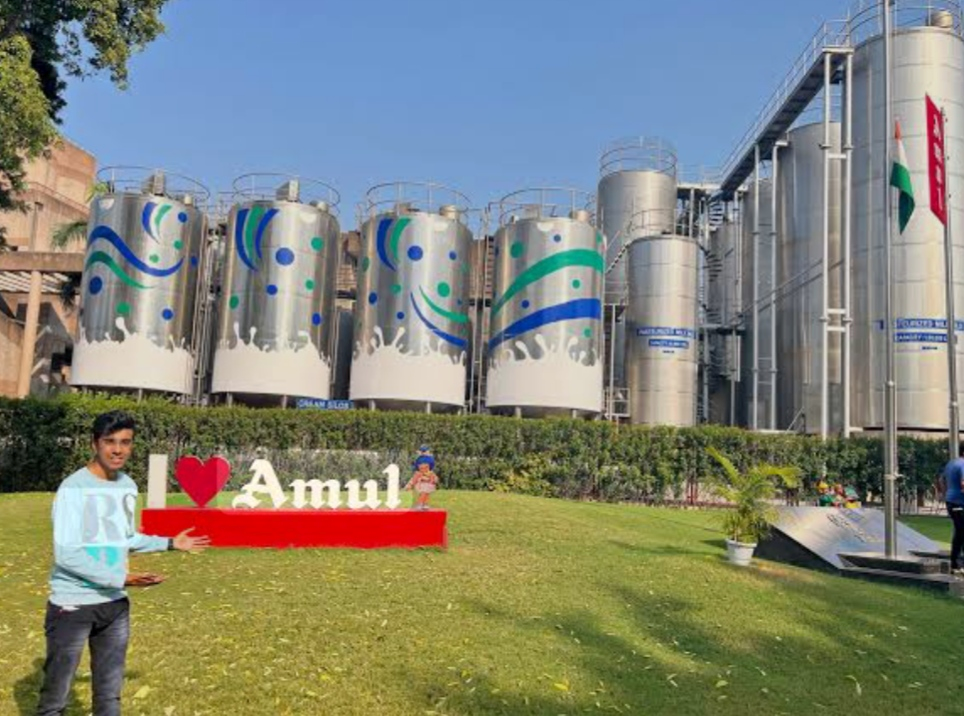
A brand so woven into Indian life that before your morning chai simmers, Amul has already shown up. Butter on your toast. Milk in your cup. And somewhere on a highway billboard, a little blue-haired girl is already roasting today’s headlines.
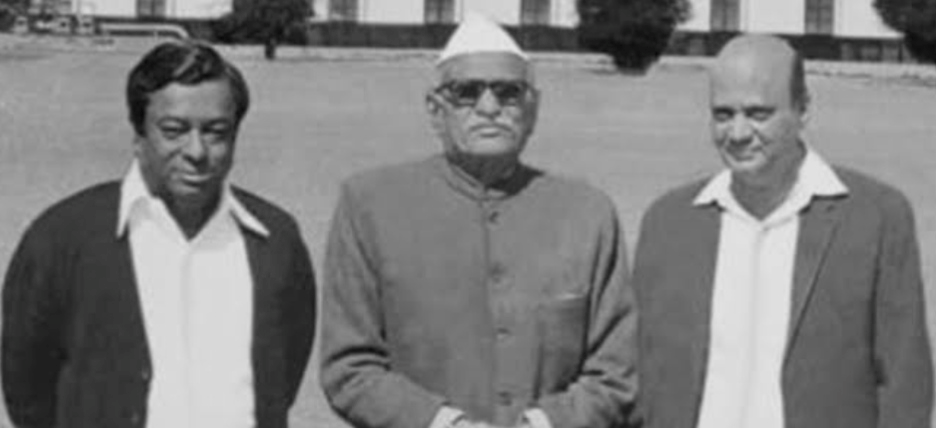
1946. Anand, Gujarat.
Polson Dairy was the only milk buyer in town. And they knew it. They paid farmers 20 paise per litre and sold it in Bombay for 80 paise. The farmers did all the work. The middleman took all the money. Classic exploitation. Classic colonial India. The farmers had had enough. Led by Tribhuvandas Patel and backed by Sardar Vallabhbhai Patel, they did something radical.
They went on a 15-day milk strike. No milk left, Anand. Bombay’s supply dried up. Polson panicked. Sardar Patel gave them one instruction: “Cut out the middleman. Sell directly.” So they formed their own cooperative — the Kaira District Co-operative Milk Producers’ Union. No VC funding. No pitch deck. Just 247 angry farmers with nothing left to lose.
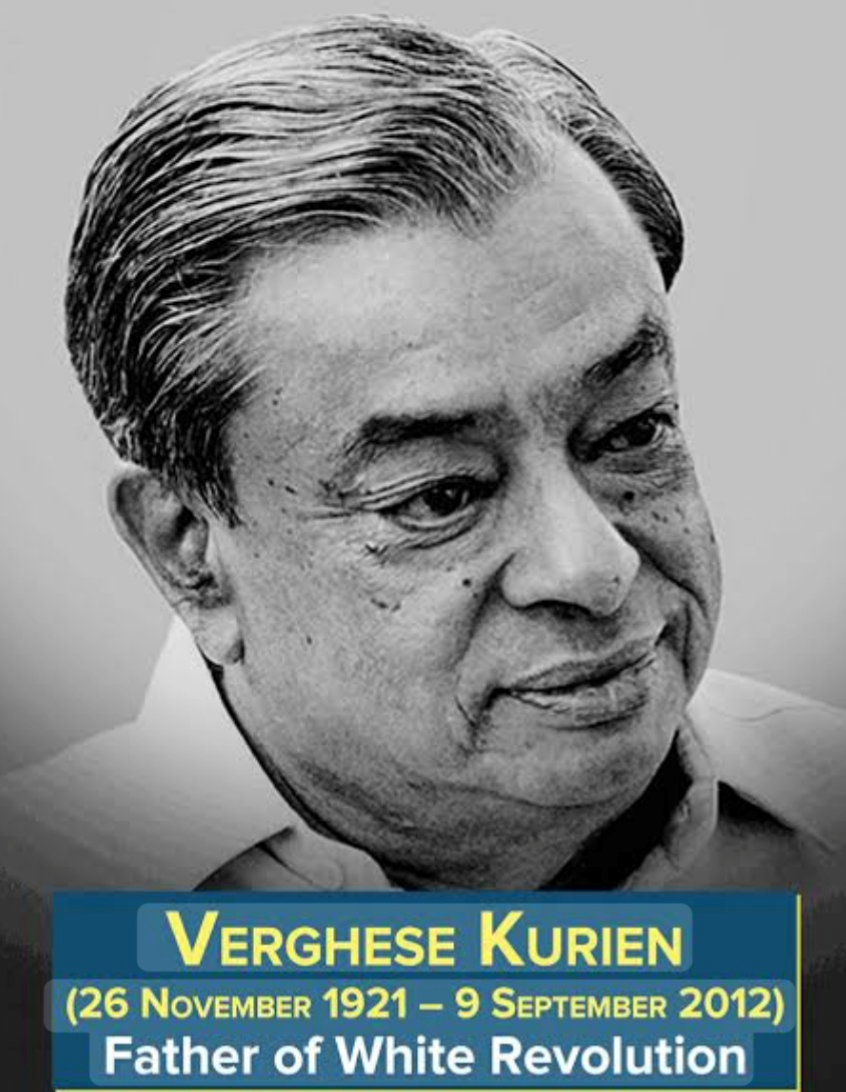
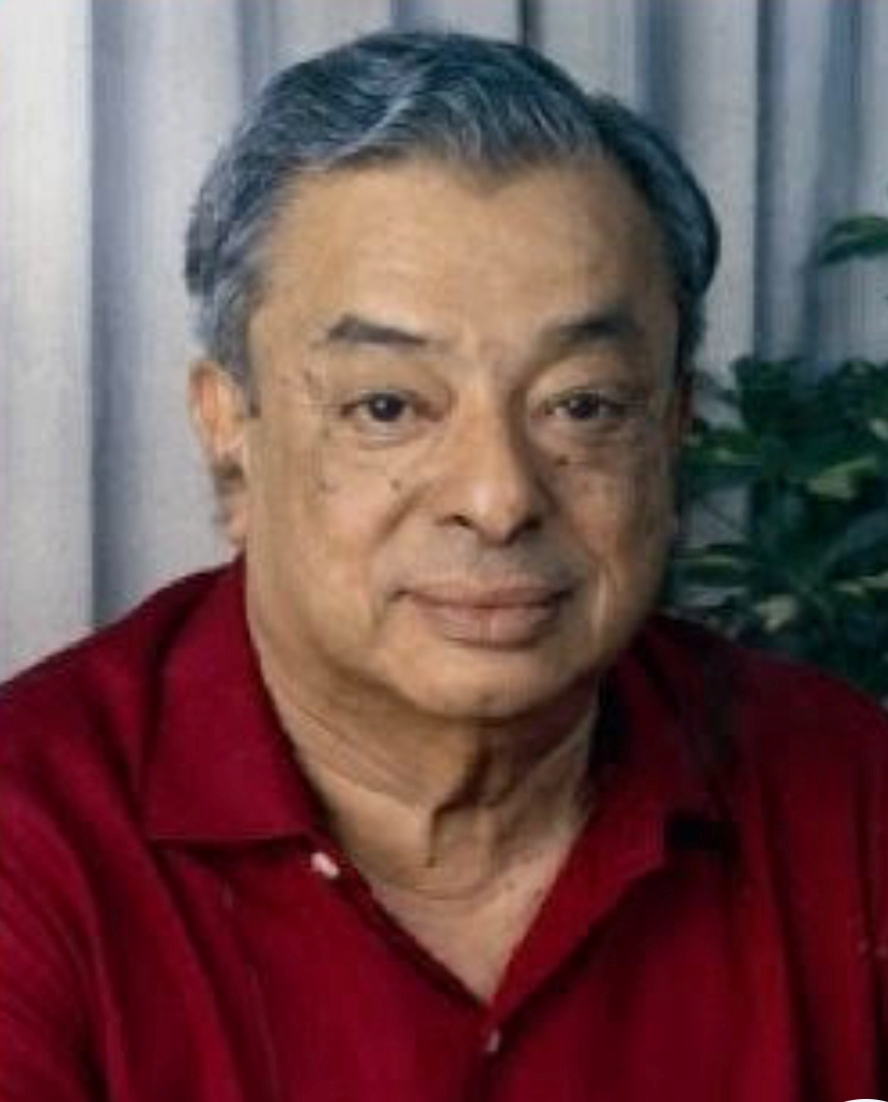
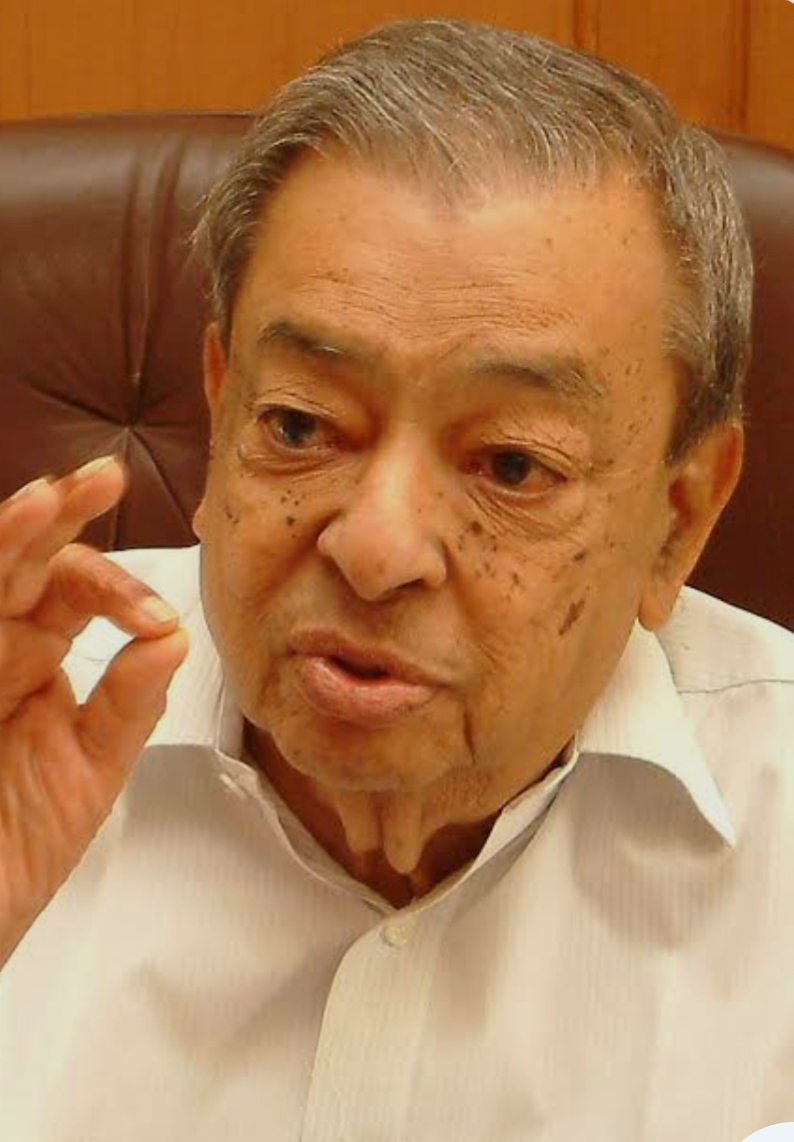
A young dairy engineer played a central role in this movement. His name was Dr Verghese Kurien. Fresh from Michigan State University, he was sent to Anand on a government posting. Tribhuvandas convinced him to stay and help grow the cooperative. That decision by a 26-year-old in a small Gujarat town changed the future of India’s dairy industry.
Here’s where it gets fascinating.
The Western dairy industry ran entirely on cow’s milk. Buffalo milk was considered inferior — too fatty, too difficult to process. Kurien thought differently. In 1955, he developed the world’s first spray-dried skimmed milk powder from buffalo milk. The West said it couldn’t be done. He did it anyway. By cracking the buffalo milk processing problem, Kurien didn’t just solve a local problem.
He unlocked an entirely new global dairy technology. The patent? Owned by Indian farmers. Not a multinational. Not a government ministry. Farmers.
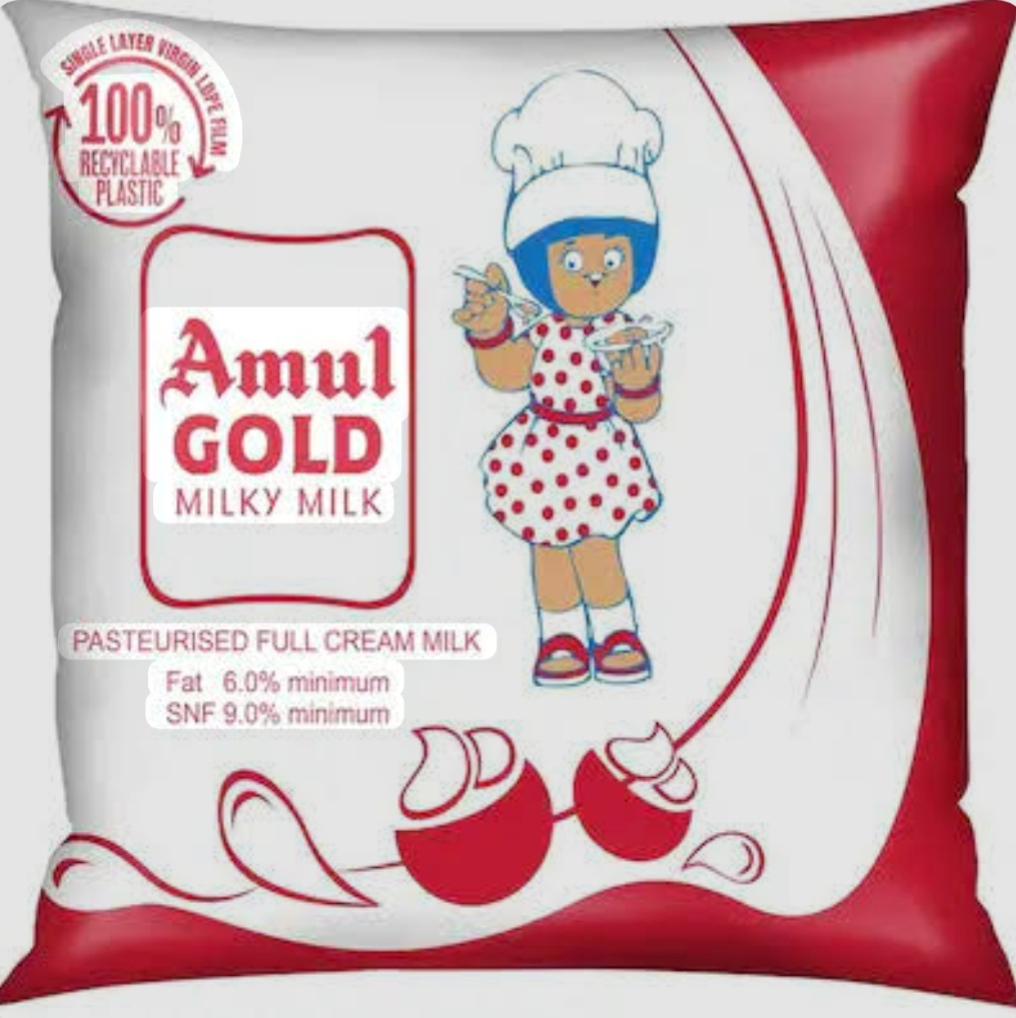
1955: Amul Butter hits the shelves.
It immediately undercut every imported butter brand in the market.
Creamy. Affordable. Indian. Within a few years, it became the best-selling butter in the country — a position it has never relinquished. Not once. In 70 years.
Then came the Amul Girl.
1966: An ad agency created a round-faced, blue-haired cartoon girl to market Amul Butter. Her tagline: “Utterly Butterly Delicious.” Nobody knew she would still be on billboards 60 years later, or that she would become India’s sharpest, funniest political commentator.
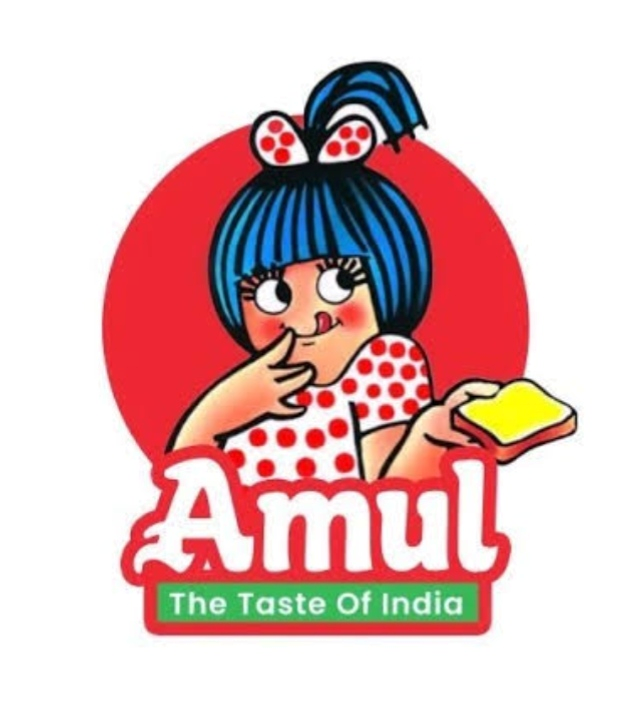
The Amul Girl has commented on every major event in Indian history since 1966. The Emergency. The 1983 World Cup. Babri Masjid. Demonetisation. COVID. The 2024 elections. She never misses. She never takes sides. She always makes you smile.
Fun fact:
The Amul Girl holds the Guinness World Record for the longest-running outdoor ad campaign in history. 60 years. And counting. Amul was growing. But India was still milk-deficient. Dependent on imports. Struggling to feed its own people. Kurien looked at the crisis and saw not a disaster, but the world’s greatest business opportunity.
1970 Operation Flood launches.
The world’s largest dairy development programme. Kurien’s plan? Take the Anand model and replicate it across India. Village by village. District by district. State by state. It worked beyond anyone’s imagination. By the 1990s, India had gone from milk-deficient to the world’s largest milk producer.
Surpassing the USA. Surpassing all of Europe.
Amul became the backbone of India’s White Revolution. Kurien led Operations Flood I, II, and III. Now here’s what sets Amul apart from every other entity in the world. Most big companies are owned by promoter families, private equity, or shareholders. Amul is owned by 3.6 million farmers.
For every litre of milk they pour in, they get a share of everything Amul earns. Butter, cheese, ice cream, chocolate — all of it. That ownership structure is Amul’s deepest moat. When you own what you build, you protect it fiercely. No supplier cuts corners. No farmer floods the market. No one undercuts the cooperative. 3.6 million people whose livelihoods depend on Amul’s success are also Amul’s most loyal guardians.
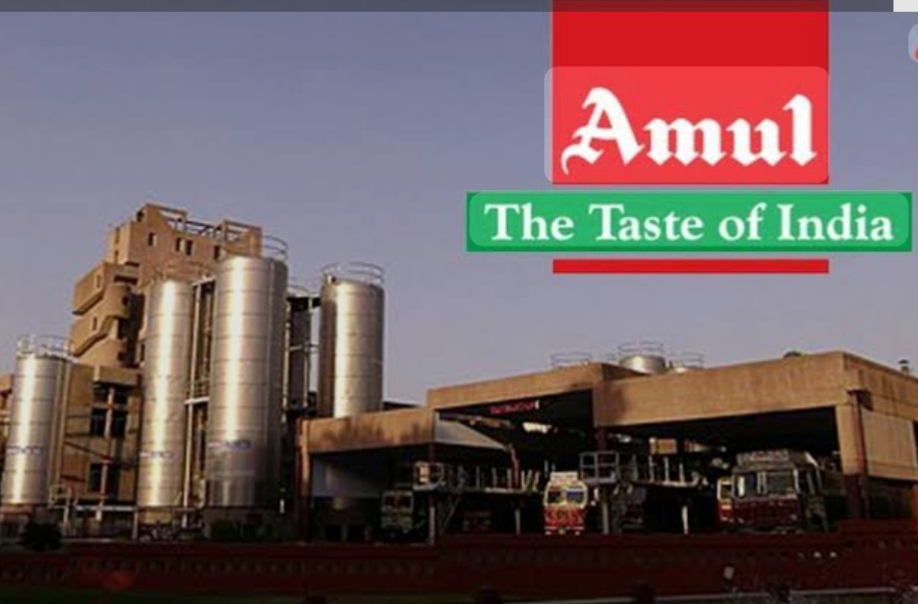
How Amul does what it does:
Amul collects milk twice a day from its village societies. Every single day. 365 days a year. Over 26 million litres daily — enough to fill 10 Olympic swimming pools. Every. Single. Day.
Its distribution network is the other moat. And it’s terrifying for any competitor. A cold chain built over 78 years. Refrigerated trucks reaching towns that Google Maps barely knows exist. No FMCG giant or D2C startup with $100M can replicate this. It wasn’t built for profit. It was built for people. And through all this, Amul never went premium.
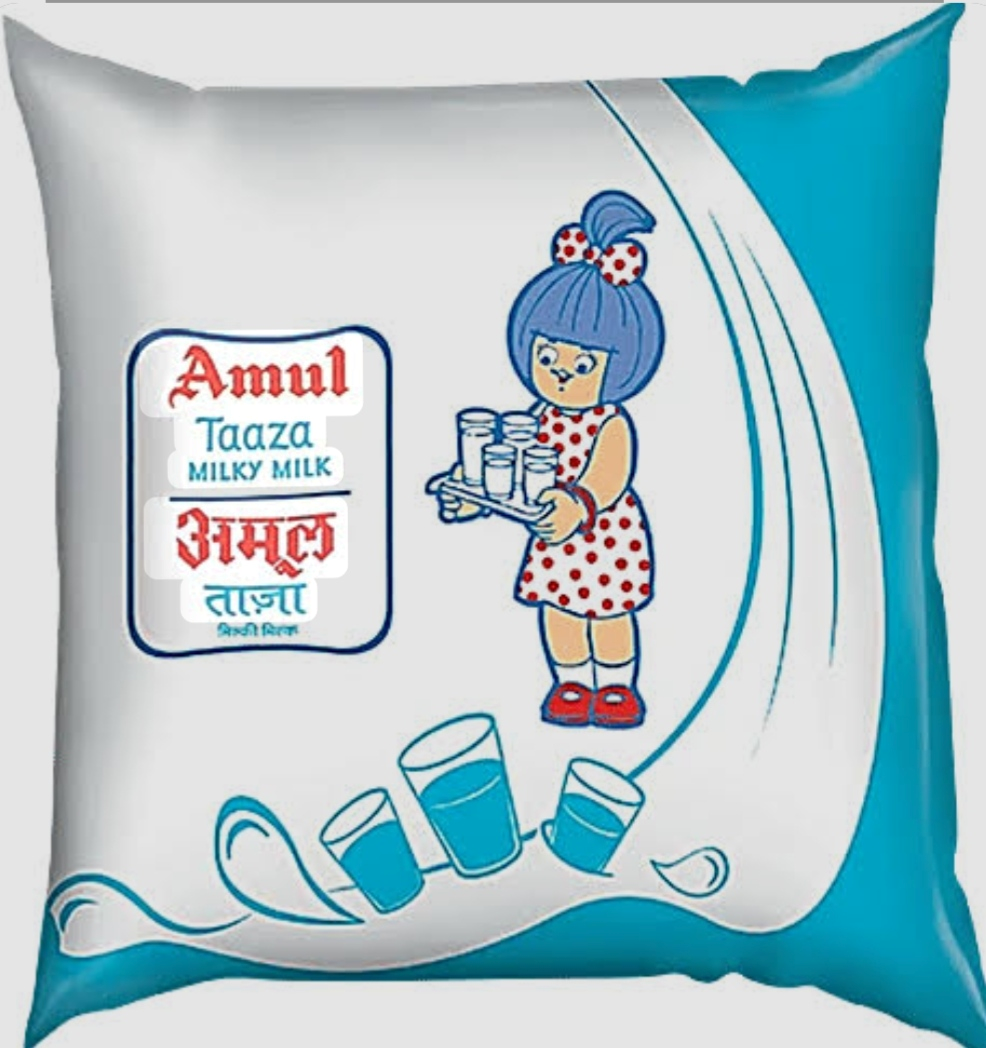
While every other brand chased the urban consumer with fancy packaging and aspirational pricing, Amul stayed stubbornly affordable. ₹20 butter. ₹5 buttermilk. Milk for every household, in every income bracket. The ₹1 lakh crore didn’t come from luxury. It came from showing up in 1.4 billion lives every single morning.
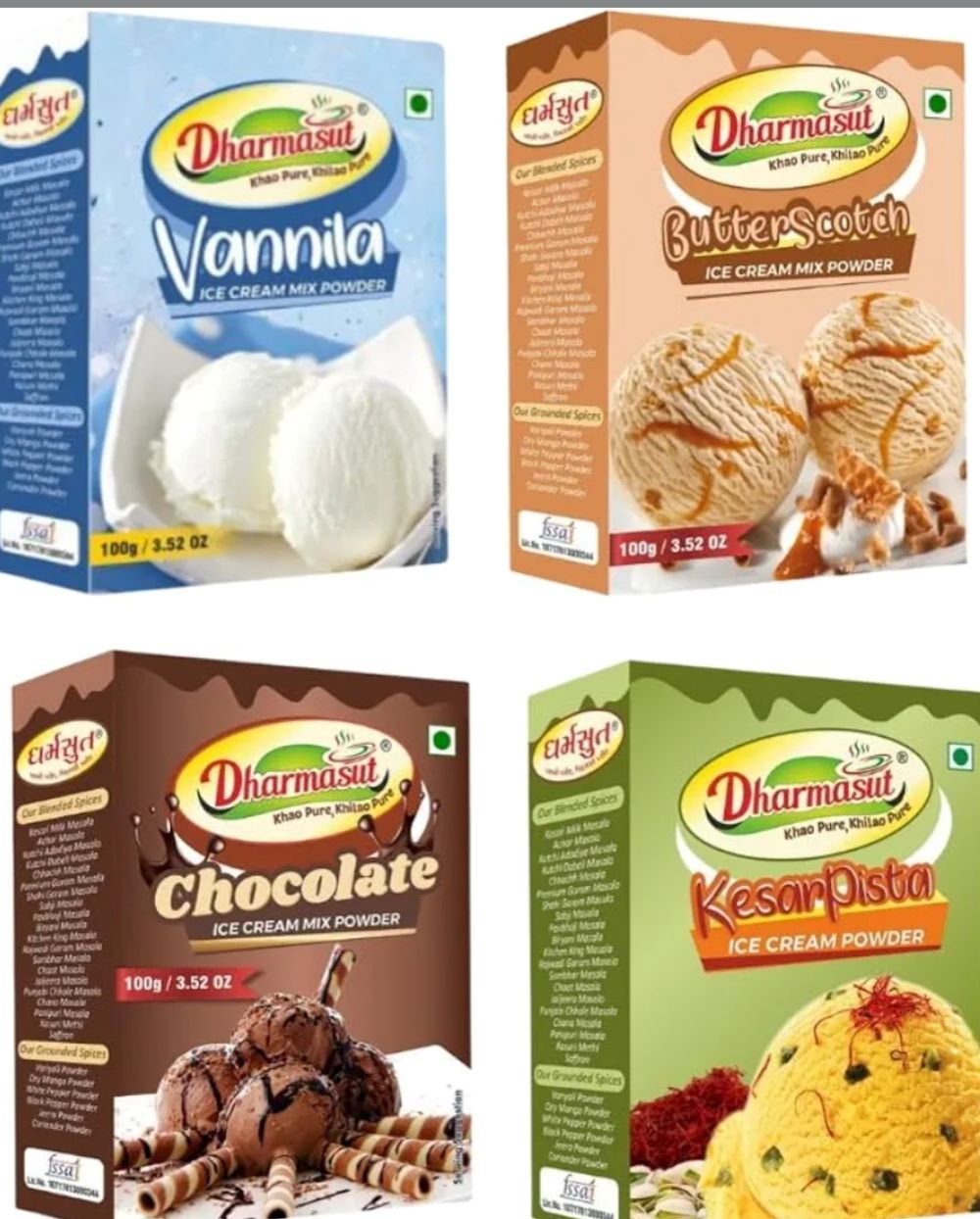
The product universe today is staggering.
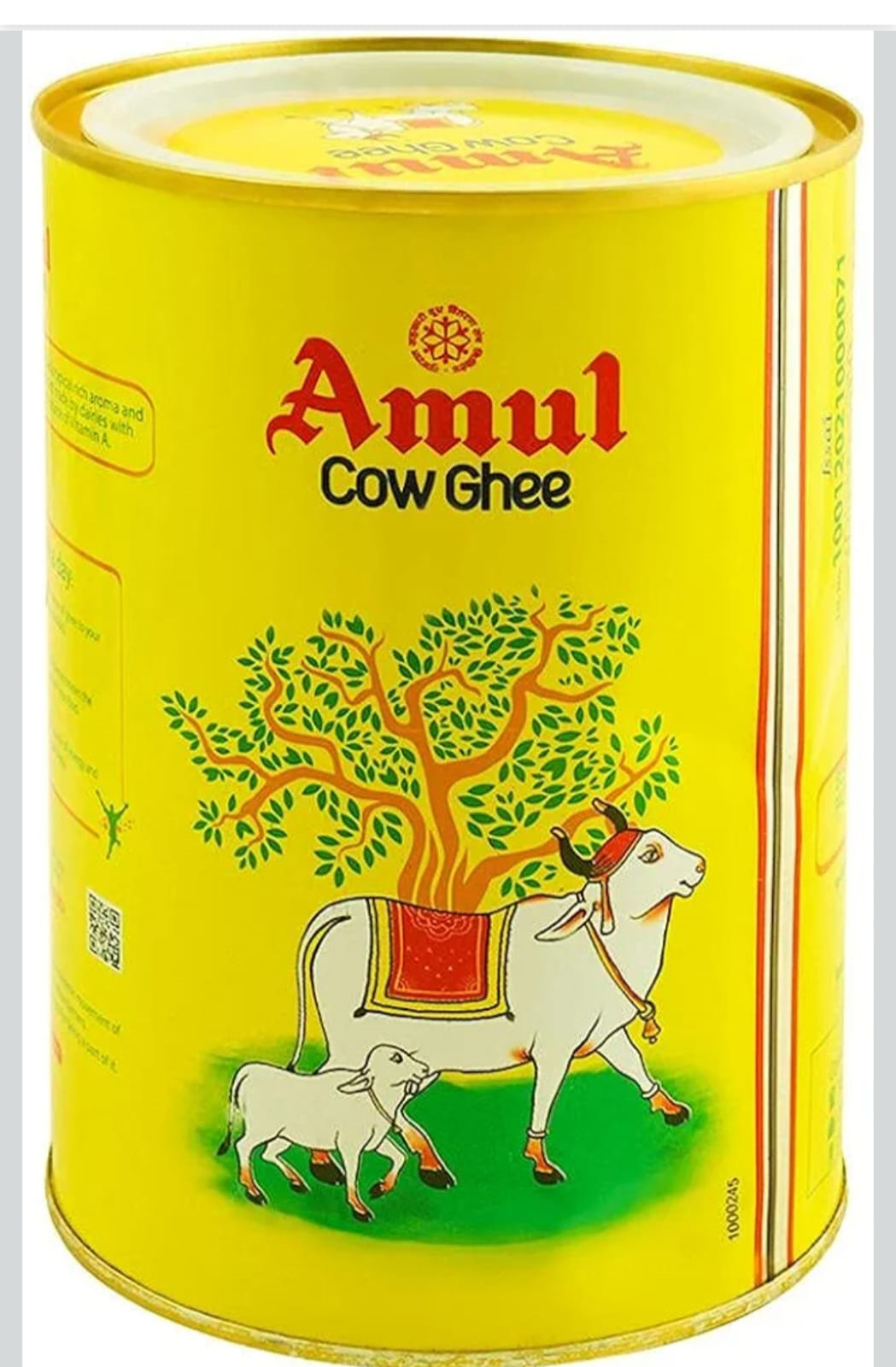
Butter → Milk → Cheese → Ice Cream → Ghee → Paneer → Dahi → Chocolate → Lassi → Baby Food → Health Drinks → Frozen Snacks → 1,200+ product packs.
Fun fact: Amul Ice Cream is India’s largest-selling ice cream brand, beating Kwality Walls, Baskin-Robbins, and most international players combined.
Amul at a glance:
India’s first FMCG brand to cross ₹1 lakh crore in revenue 🏆 Ranked No. 1 cooperative in the world by the ICA 🐄 3.6 million milk producers 18,600+ village societies 🌍 Exports to 50+ countries No venture capital raised. No stock market listing. A cooperative. Owned by farmers. Beating every multinational at their own game.
The second part of the story: The farmers who made a movie.
The same farmers who built Amul also made cinema history. In 1976, Shyam Benegal wanted to tell the story of the White Revolution. Budget: ₹10–12 lakh. No studio would fund a film about milk farmers. Dr Kurien had an idea. Five lakh farmers were part of Gujarat’s milk unions.
They earned about ₹8 per milk sale. Kurien asked: “Take ₹6 instead of ₹8 just for one day. The ₹2 will make a film about your story.” Every farmer said yes. Manthan became India’s first crowdfunded film. Opening credits: “Produced by 500,000 farmers.” When it was released, distributors called it “too rural” and refused it.
So Kurien screened it himself. The farmers who funded it showed up with families on bullock carts to watch their film. No ads needed. The momentum forced a nationwide release. Manthan won the National Award for Best Hindi Film in 1977 and was India’s Oscar entry. A 4K restored version premiered at Cannes in May 2024.
A cooperative that built a ₹1 lakh crore brand also built a National Award-winning film — ₹2 at a time. Kurien once said: “I am in the business of creating institutions that will outlast me.” We lost him in 2012. In total, Amul crossed ₹1 lakh crore in 2026, and he won
May your week have Amul’s kind of compound growth, small, stubborn, and built together.
Cut out the middlemen in your life, bet on the things you own, and find your own 247 people who’ll strike with you when it matters ✨ And if someone says your idea is “too rural” or “can’t be done,” remember: buffalo milk powder, ₹2 movies, and ₹1 lakh crore empires all started there.
Have an _Utterly Butterly_day 💕
September 22, 2026

September 18, 2026
Icons of Indian Business: Icons of Indian Business is a monthly business magazine targeted at Indian business owners, traders and entrepreneurial enthusiasts. It provides online media solutions for Entrepreneurs. IIB has been the definite guide to the diverse challenges of entrepreneurship. Each edition consists of entrepreneurs ... with the all information they require and demand to grow their business. Iconsindianbusiness.com offers a daily source of information, strategic insights and how-to guidance on virtually every area of business management, from leadership to marketing, technology and money matters. IIB connects with millions of business owners who drives forward with the ideas and innovations.Make your brand the preferred choice with these affluent business decision-makers through a variety of customized programs integrated across digital,print,event and community platforms. IIB team works from Bangalore,Karnataka, but has a presence throughout India through its correspondents. IIB published 12 times a year, available in print and digital editions.
© 2024 Iconsofindianbusiness.com. All Right Reserved.