Deepak Sonnappa: Building a Business on Trust
October 11, 2026
October 12, 2026,3:43:47 AM


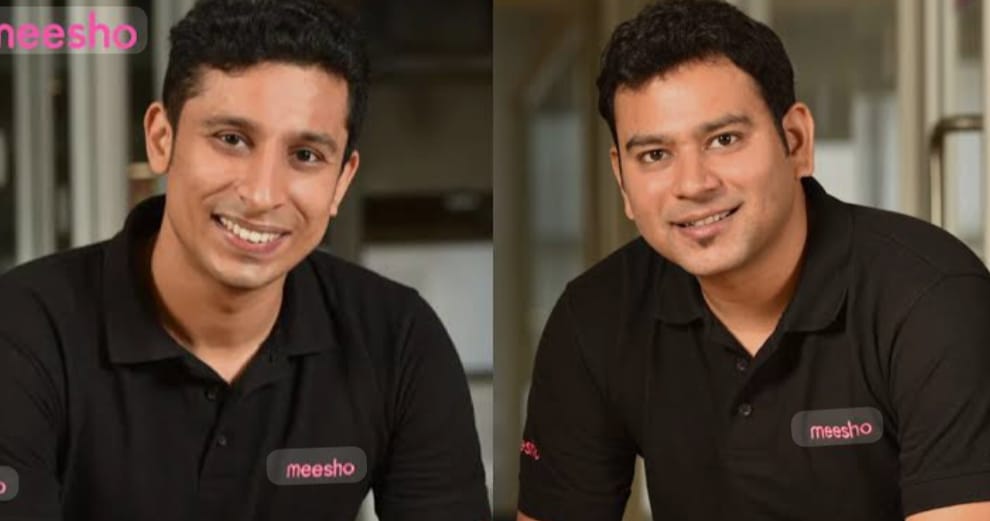
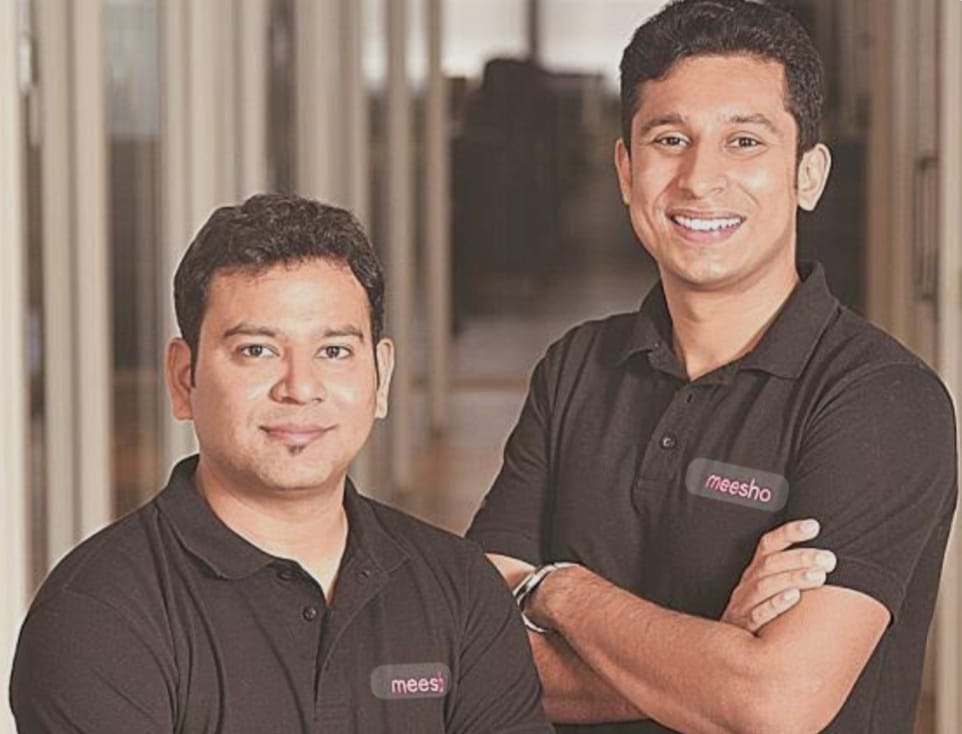
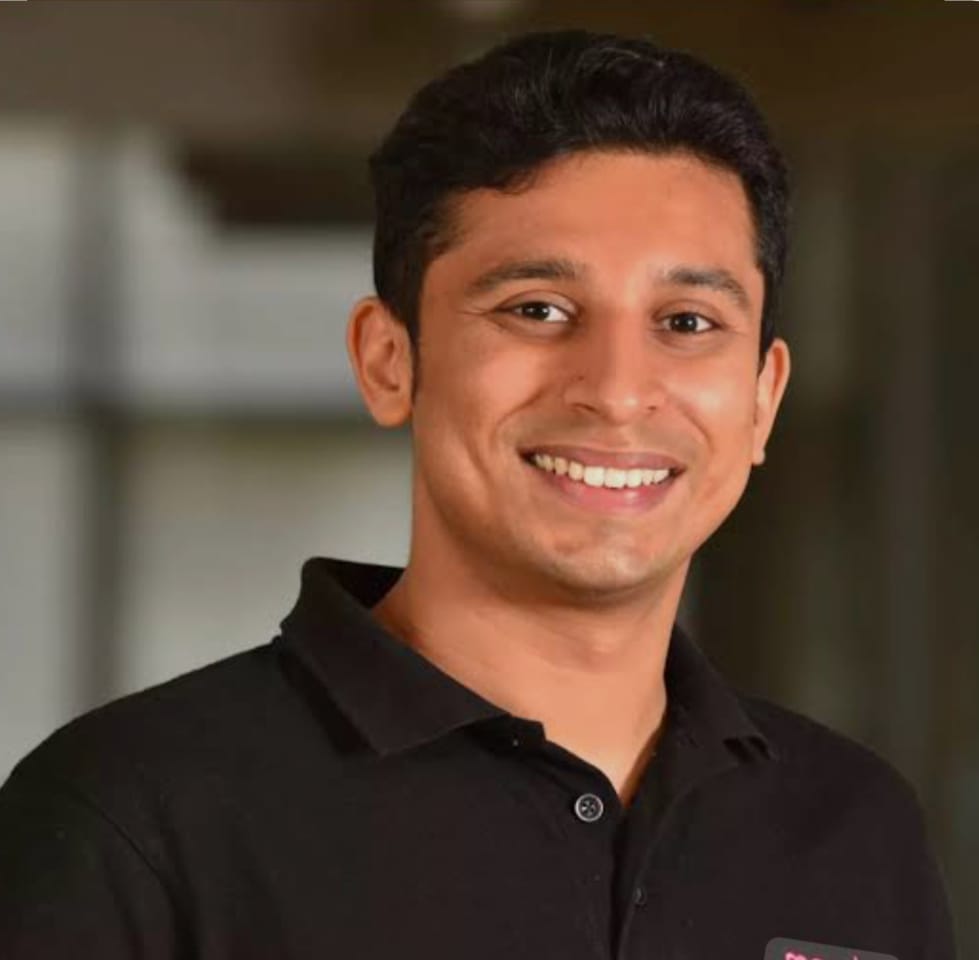
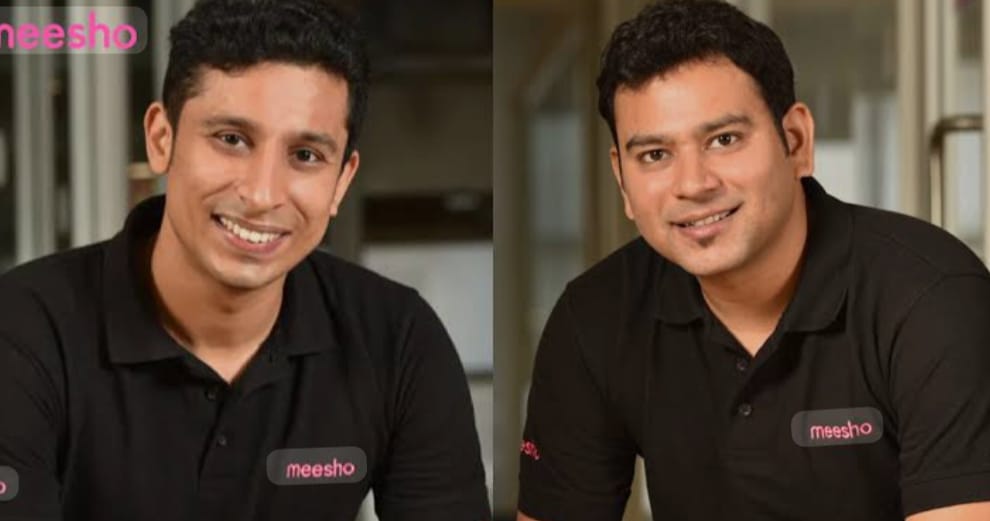
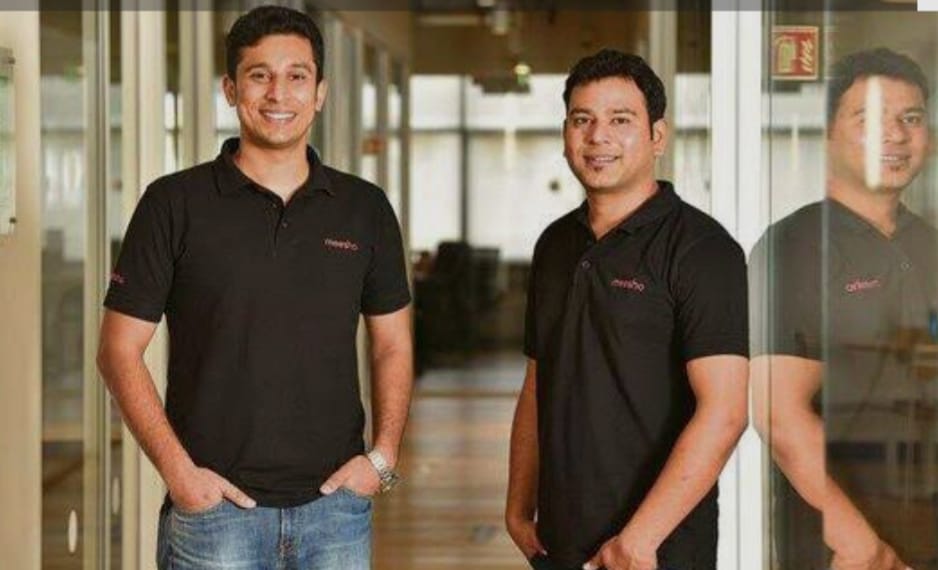
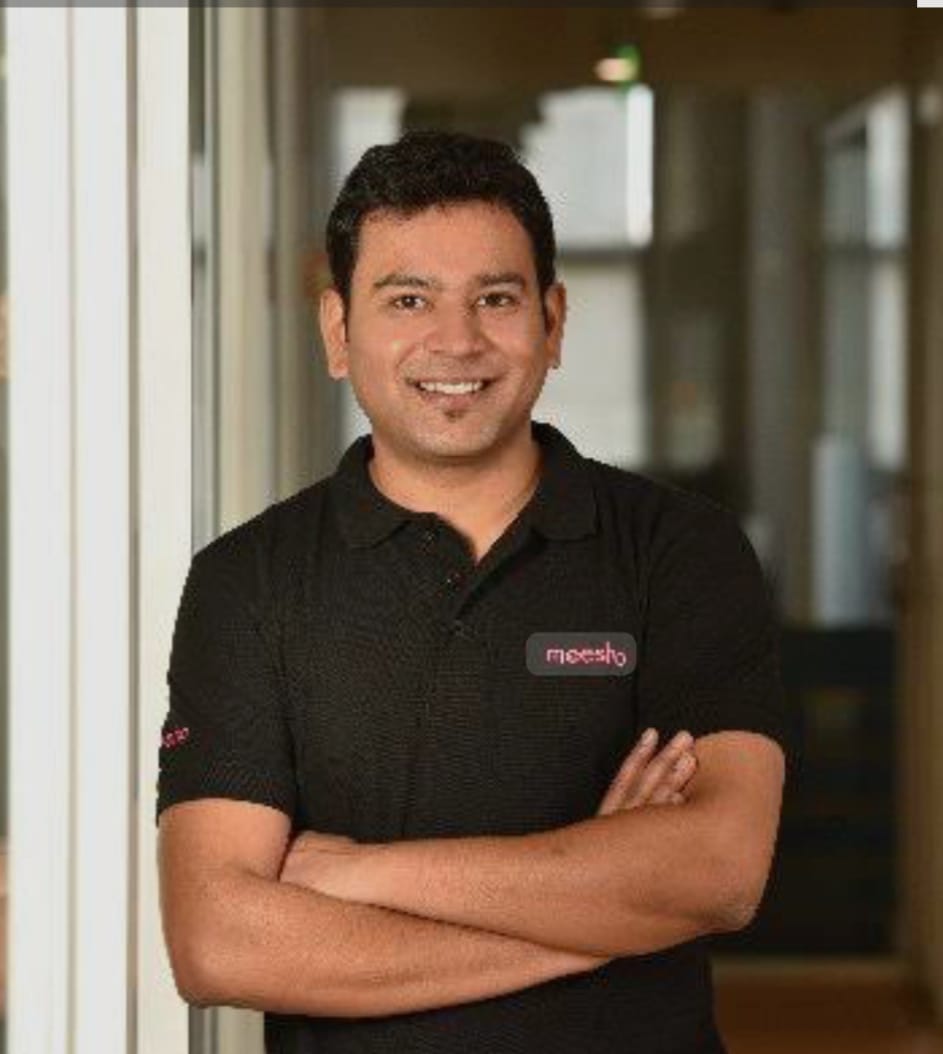
Vidit Aatrey and Sanjeev Barnwal founded Meesho in December 2015. Both founders are IIT Delhi alumni who initially worked in corporate roles—Vidit at ITC and InMobi, Sanjeev at Sony—before launching the company in Bengaluru. They started Meesho (short for "Meri Shop") from a small flat, pivoting from a hyperlocal fashion delivery idea to a social commerce platform using WhatsApp, Facebook, and Instagram. Current Roles Vidit Aatrey serves as CEO, while Sanjeev Barnwal is CTO, leading the platform's growth to empower resellers across India.
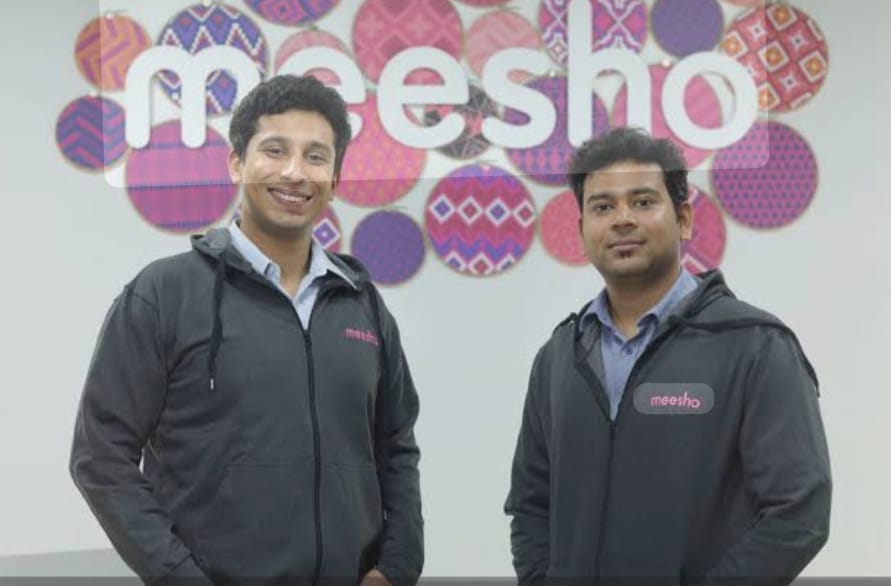
Meesho has since become a major e-commerce player, marking its 10th anniversary in 2025. Vidit Aatrey and Sanjeev Barnwal founded Meesho in December 2015. Background founders are IIT Delhi alumni who initially worked in corporate roles—Vidit at ITC and InMobi, Sanjeev at Sony—before launching the company in Bengaluru.
They started Meesho (short for "Meri Shop") from a small flat, pivoting from a hyperlocal fashion delivery idea to a social commerce platform using WhatsApp, Facebook, and Instagram. Current Roles Vidit Aatrey serves as CEO, while Sanjeev Barnwal is CTO, leading the platform's growth to empower resellers across India. Meesho has since become a major e-commerce player, marking its 10th anniversary in 2025.
Meesho's main revenue streams are logistics income and advertising revenue, which together have driven its path to profitability. The platform does not charge commission to sellers on transactions, instead monetising through its logistics arm,
Valmo charges sellers slightly above the cost for shipping and fulfilment, thus earning a logistics margin. This approach leverages Meesho's negotiation power with third-party logistics providers and volume scale to generate steady revenue from delivery services. Sellers also pay for promoted listings and advertising to improve the visibility of their products on the platform, similar to ad-based monetisation models seen in larger e-commerce marketplaces.
Brand partnerships and sponsored content add an additional revenue layer. Meesho’s path to profitability involved focusing on ultra-low order values with massive volumes, catering to price-sensitive buyers mostly in Tier 2 and Tier 3 cities. By optimising logistics costs with its Valmo delivery network, aggressively growing advertising revenue, and maintaining a zero-commission model on transactions,
Meesho achieved revenue growth from $403 million to $689 million while scaling GMV to over $6 billion. The company's operational strategy shifted losses towards profitability, narrowing losses dramatically and achieving positive free cash flow by FY24. Moreover, Meesho plans to diversify revenue further by investing in content commerce and financial services platforms to sustain long-term margins and growth. To summarise the revenue model and profitability journey:
This multi-pronged revenue approach has enabled Meesho to become one of India's most profitable e-commerce platforms while maintaining its seller-friendly marketplace ethos.
Meesho primarily makes money through two main revenue streams: logistics and advertising. Instead of charging sellers commission on sales, Meesho aggregates high order volumes and negotiates low shipping rates with third-party logistics providers. It then charges sellers a slightly higher "shipping fee," capturing the margin as logistics revenue.
This logistics spread is the largest contributor to Meesho's revenue. In addition, Meesho monetises by offering advertising services to sellers, who pay to promote their listings and increase product visibility on the platform. This seller's advertising revenue includes promoted listings and performance-based ads, forming a significant second stream of income.
Meesho also earns from value-added services like fulfilment tools, assurance programs protecting sellers from return costs, and financial services such as loans to sellers through partner NBFCs.By focusing on ultra-low order values but massive volumes, Meesho balances low transaction fees with strong logistics margins and growing advertising income.
This model has enabled the company to achieve positive free cash flow and profitability while maintaining a zero platform commission policy. The company is also investing in expanding revenue further into areas like content commerce and financial services for sellers.
To summarise: Logistics Charges sellers slightly above negotiated shipping costs, earning a margin on delivery. Advertising: Fees from sellers promoting products within the platform.Value-added services: Additional fees for fulfilment support and assurance.Financial services: Income from lending and other seller financial products. This dual revenue engine has powered Meesho’s growth and profitability trajectory as a seller-friendly, low-cost marketplace.
Meesho's operating revenue (turnover) for FY25 (ending March 2025) was ₹9,390 crore, up 23% from ₹7,615 crore in FY24, with total income reaching ₹9,901 crore. The company reported a net loss of ₹3,941 crore in FY25, primarily from one-time expenses, though it achieved positive free cash flow of ₹351 crore and narrowed adjusted losses significantly.
Valuation (Net Worth)Meesho's valuation stands at approximately ₹52,500–53,000 crore (about $5.6–6 billion) ahead of its IPO, based on a high single-digit price-to-sales multiple on FY25 revenue. This reflects its GMV of around ₹70,160 crore ($8.4 billion) in the recent trailing 12 months and strong growth in order volumes to 158.8 crore in FY25.
Financial Snapshot
Meesho continues scaling with H1 FY26 operating revenue at ₹2,504 crore (up 29% YoY), positioning it for IPO profitability.
October 11, 2026
September 27, 2026
Icons of Indian Business: Icons of Indian Business is a monthly business magazine targeted at Indian business owners, traders and entrepreneurial enthusiasts. It provides online media solutions for Entrepreneurs. IIB has been the definite guide to the diverse challenges of entrepreneurship. Each edition consists of entrepreneurs ... with the all information they require and demand to grow their business. Iconsindianbusiness.com offers a daily source of information, strategic insights and how-to guidance on virtually every area of business management, from leadership to marketing, technology and money matters. IIB connects with millions of business owners who drives forward with the ideas and innovations.Make your brand the preferred choice with these affluent business decision-makers through a variety of customized programs integrated across digital,print,event and community platforms. IIB team works from Bangalore,Karnataka, but has a presence throughout India through its correspondents. IIB published 12 times a year, available in print and digital editions.
© 2024 Iconsofindianbusiness.com. All Right Reserved.