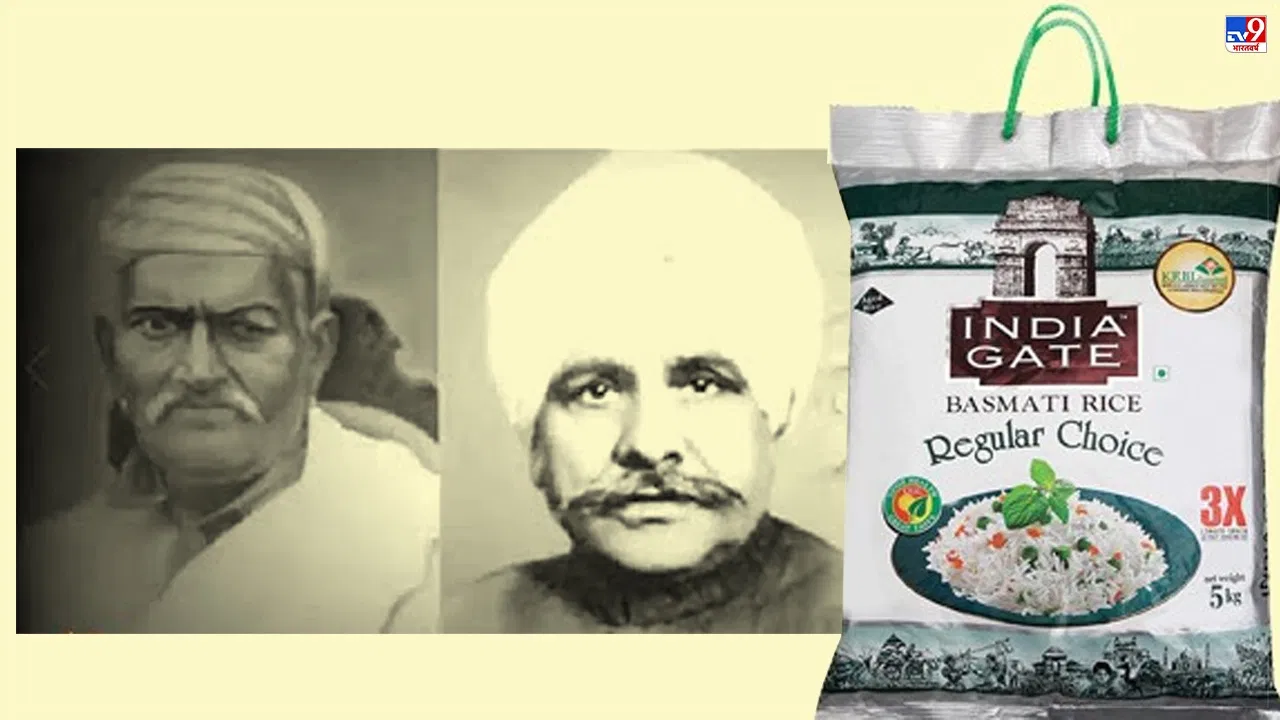
India Gate’s Basamati rice success story
September 27, 2026
September 30, 2026,3:45:30 AM


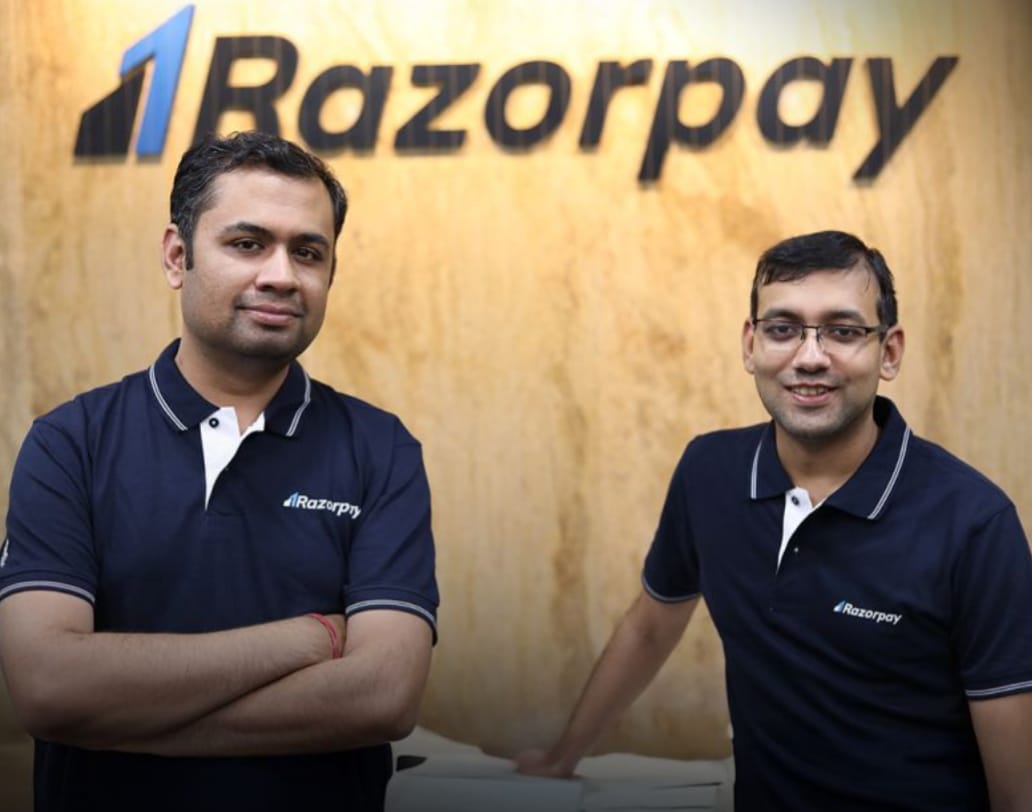
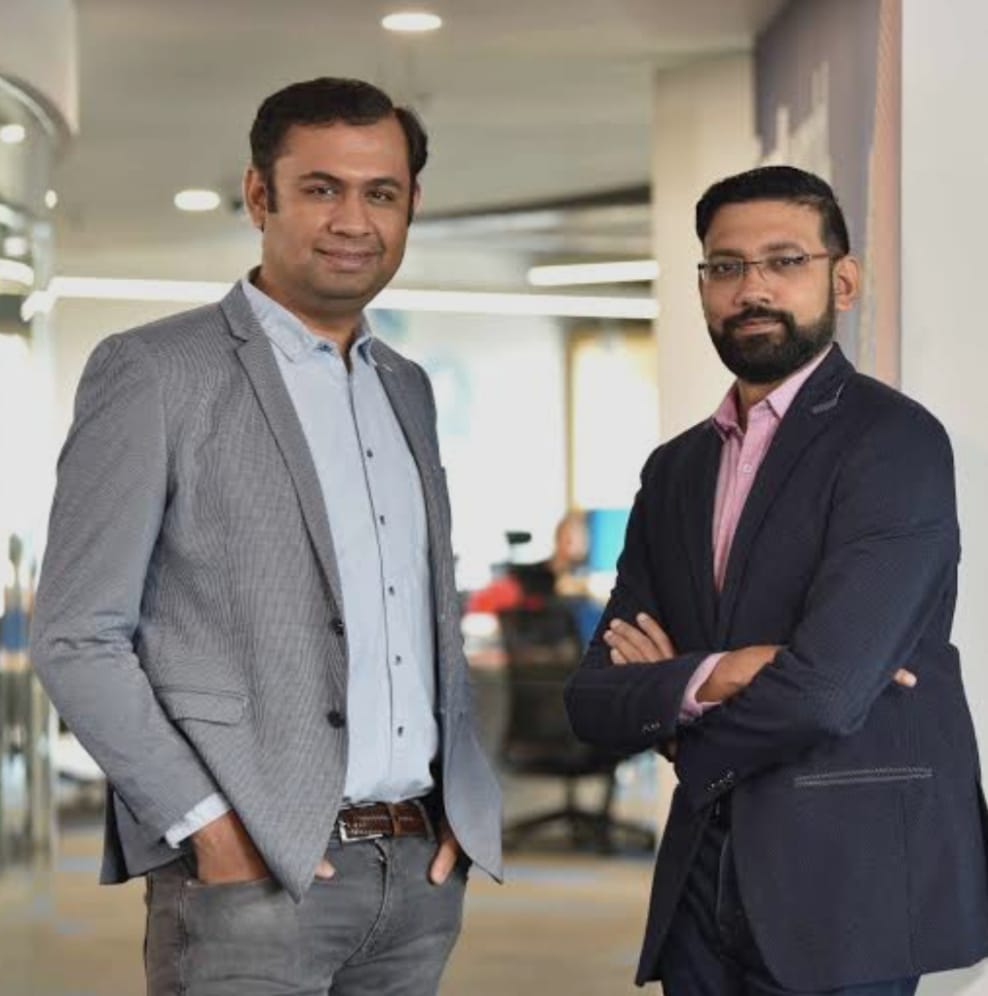
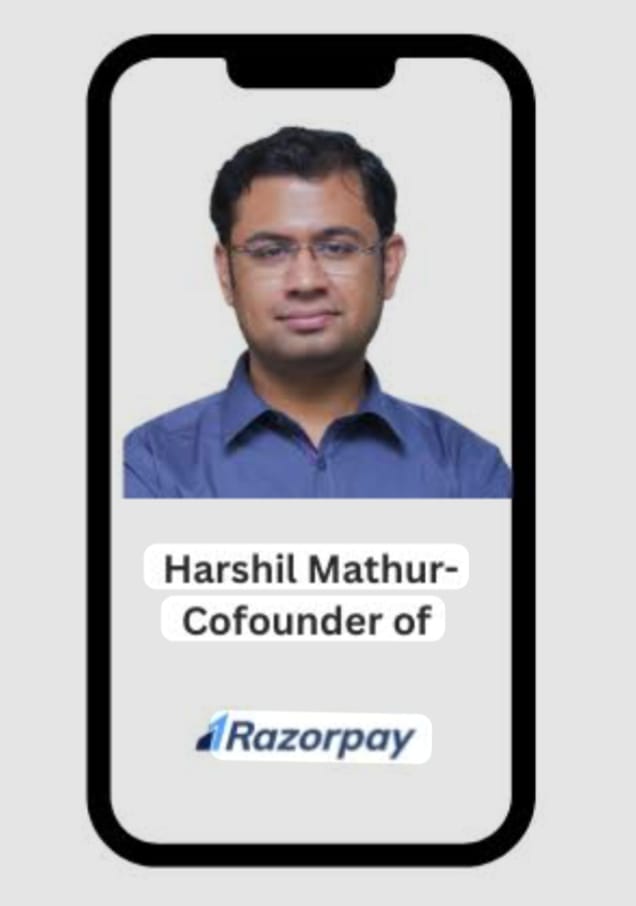
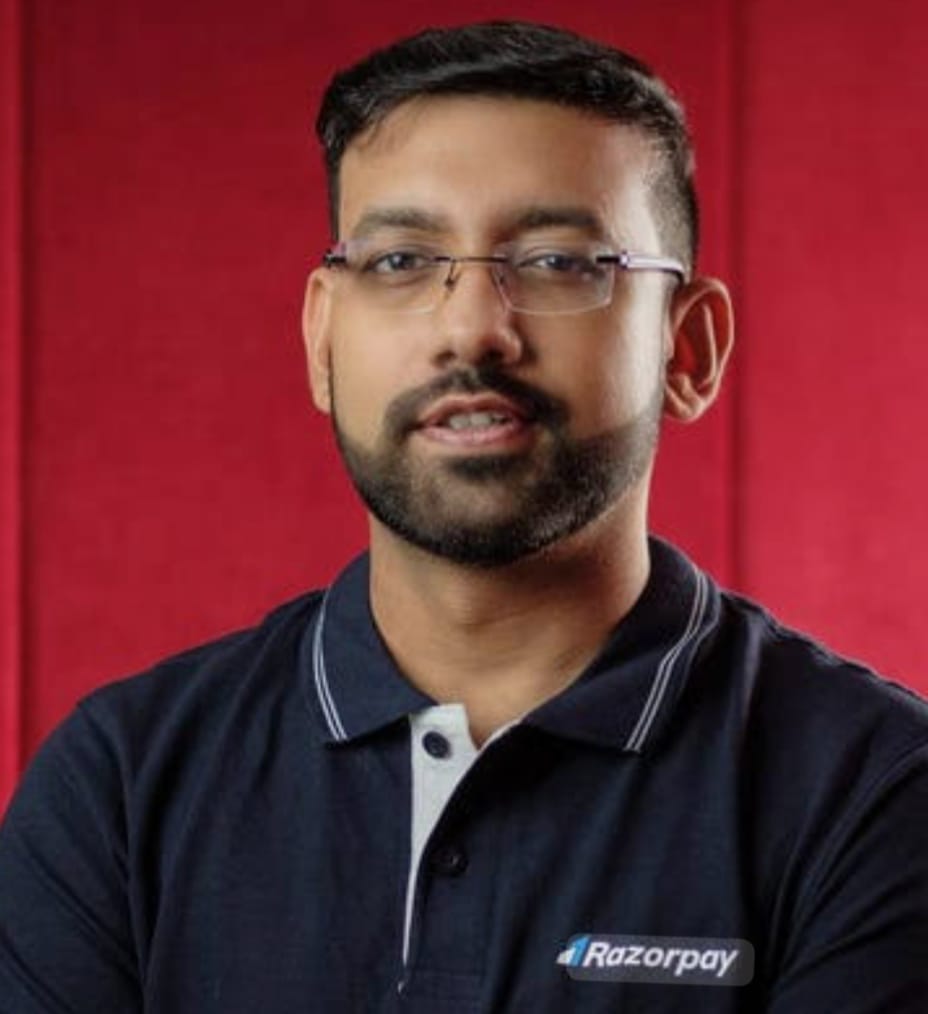
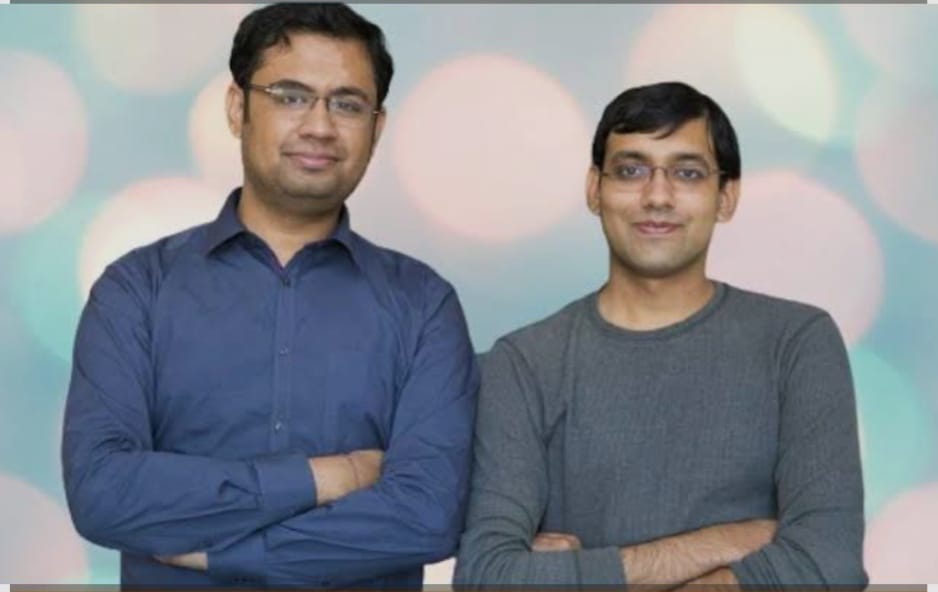
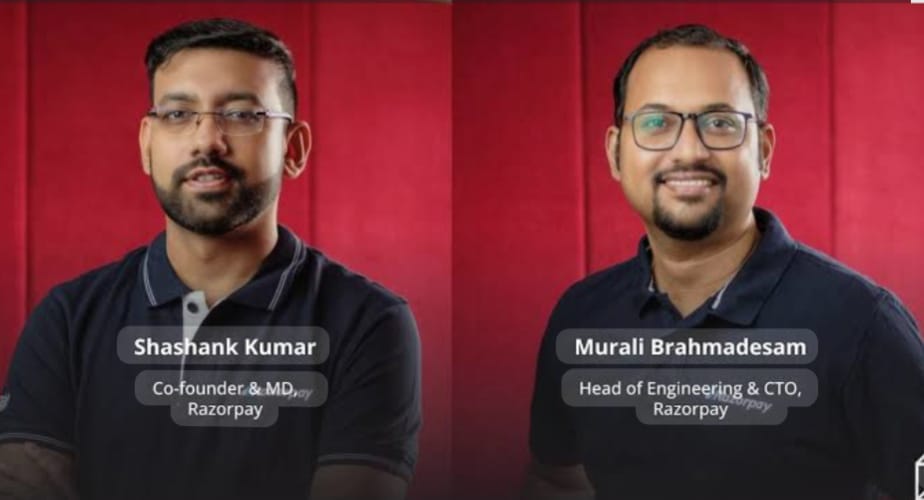
Razorpay was founded by Harshil Mathur and Shashank Kumar
Founders' Background
Harshil Mathur, the current CEO, and Shashank Kumar, the Managing Director and former CTO, both graduated from IIT Roorkee, where they met at the innovation lab SDSLabs.They launched the company in 2014 after identifying challenges in India's fragmented online payment systems while attempting to build a crowdfunding platform.
Company Origin:
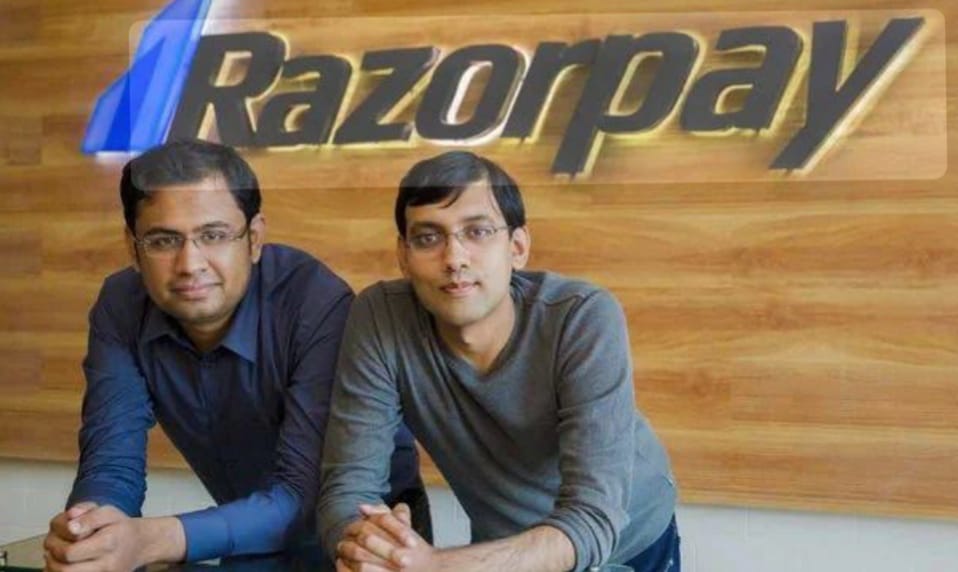
The duo started Razorpay through Y Combinator to create a simple, secure payment gateway tailored for Indian businesses, especially startups and SMEs. It began with a small team of 11 in a single apartment, overcoming investor rejections and bank partnerships before expanding.
Harshil Mathur and Shashank Kumar met at IIT Roorkee through their involvement in the campus innovation lab SDSLabs, where they bonded over shared interests in technology and problem-solving.
Initial Encounter:
Harshil approached a software group to get involved in computers, leading him to connect with Shashank, who was already active there. They spent significant time discussing their projects, mutual interests, and technical pursuits, which quickly turned into a strong friendship.
Shared Roots:
Both were classmates and alumni of IIT Roorkee, with Shashank as a senior to Harshil; their collaboration at SDSLabs nurtured an entrepreneurial spirit that later fueled Razorpay. This campus lab environment provided the foundation for their partnership, evolving from college comrades to co-founders.
Harshil Mathur and Shashank Kumar's first business idea after IIT Roorkee was a crowdfunding platform called "CrowdD."Idea Origin: While working at their initial jobs—Harshil at Credit Suisse and Shashank at TokBox—they aimed to build a simple crowdfunding site for India, but hit roadblocks due to the fragmented payment ecosystem, lacking easy developer-friendly gateways.
Pivot to Razorpay.
This frustration directly inspired Razorpay in 2014 as a full-stack payments solution to solve those integration pains for businesses, starting with Y Combinator support. They bootstrapped early with no external funding initially, focusing on seamless APIs for startups.
Harshil Mathur and Shashank Kumar came up with the Razorpay idea while attempting to build a crowdfunding platform after IIT Roorkee.
Triggering Frustration.
They encountered major hurdles integrating online payments for Indian startups and SMBs, including complex documentation, high setup fees, security deposits, and requirements for physical offices or past records. Existing gateways were geared toward large enterprises, with poor developer experiences and low credit card penetration in India (only ~21 million cards for 1.3 billion people in 2014).
Key Insight:
Market surveys and direct outreach to payment providers confirmed widespread bad experiences via online reviews, inspiring a developer-friendly gateway with simple APIs, quick onboarding, and India-specific support. This pivot from crowdfunding directly birthed Razorpay in 2014, starting as an 11-person team in one apartment.
Razorpay operates as a full-stack payment gateway that simplifies online transactions for businesses, primarily in India, by handling payment securely through APIs and a customizable checkout interface.
Core Workflow:
Businesses integrate Razorpay's SDK or APIs to create orders on their server, then invoke the client-side Checkout UI where customers select from 100+ modes like cards, UPI, netbanking, wallets, and COD. Razorpay tokenises sensitive details, authenticates via the bank, and returns payment IDs/signatures for verification before capturing funds.
Key Features:
It supports instant settlements, biometric/OTP auto-read for seamless UX, third-party validations (e.g., SEBI compliance), offers/discounts, subscriptions, and split payouts across omnichannel setups. Post-capture, merchants access dashboards for real-time reporting, fraud tools, and refunds while Razorpay manages PCI compliance and disputes.
Razorpay uses a simple, transparent pricing model with no setup or annual maintenance fees for most plans, charging primarily per successful transaction plus 18% GST on the fee.

Transaction Fees:
Domestic transactions via cards, netbanking, UPI, and wallets typically cost 2% + GST, while international cards, Diners, Amex, and EMI options are 3% + GST. UPI fees vary by volume (e.g., 0.75% up to ₹25L, dropping to 0.10% above ₹5Cr as of late 2025).
Additional Costs: International payments add 1-2% markup for FX and cross-border handling; high-volume or enterprise users can negotiate custom rates. Refunds and failed transactions incur no fees, with full dashboard access for tracking.
Razorpay reported consolidated revenue of ₹3,783 crore (about $450 million) for FY25 (ended March 2025), marking a 65% year-over-year increase from ₹2,296 crore in FY24.
Growth Drivers.
This surge came from expansion across its core payment gateway, POS, RazorpayX banking, loyalty programs, and international operations, with gross profit rising 41% to ₹1,277 crore. Online payments turned EBITDA-positive, fueling cash flows amid diversification into AI products and Southeast Asia markets.
Financial Context:
Despite revenue gains, the company posted a ₹1,209 crore post-ESOP loss due to one-time redomiciling costs and taxes from shifting its HQ back to India in May 2025. It eyes $1 billion in revenue by 2030, ahead of a potential 2026 IPO
Razorpay's last confirmed valuation stands at $7.5 billion from its 2021 funding round of $375 million.
Recent Funding Context:
The company has raised over $741-742 million total from investors like GIC, Peak XV Partners, Z47 (formerly Matrix Partners India), and Tiger Global, with no major primary rounds since amid a tougher funding environment.
A potential pre-IPO secondary round is under discussion to provide valuation benchmarks without fresh capital infusion.
IPO Plans:
Razorpay began formal IPO preparations in early 2026, inviting merchant bank pitches (e.g., Kotak Mahindra Capital, Axis Capital) for a potential ₹4,500 crore (~$505 million) fresh issue by year-end, subject to market conditions. It converted to a public limited company in April 2025 and completed a reverse flip to India (paying ~$150 million in taxes), positioning for listing after FY25's 65% revenue growth to ₹3,783 crore.
Razorpay reported consolidated revenue of ₹3,783 crore for FY25 (ended March 2025), up 65% from ₹2,296 crore in FY24.
September 27, 2026
September 22, 2026

September 18, 2026
Icons of Indian Business: Icons of Indian Business is a monthly business magazine targeted at Indian business owners, traders and entrepreneurial enthusiasts. It provides online media solutions for Entrepreneurs. IIB has been the definite guide to the diverse challenges of entrepreneurship. Each edition consists of entrepreneurs ... with the all information they require and demand to grow their business. Iconsindianbusiness.com offers a daily source of information, strategic insights and how-to guidance on virtually every area of business management, from leadership to marketing, technology and money matters. IIB connects with millions of business owners who drives forward with the ideas and innovations.Make your brand the preferred choice with these affluent business decision-makers through a variety of customized programs integrated across digital,print,event and community platforms. IIB team works from Bangalore,Karnataka, but has a presence throughout India through its correspondents. IIB published 12 times a year, available in print and digital editions.
© 2024 Iconsofindianbusiness.com. All Right Reserved.