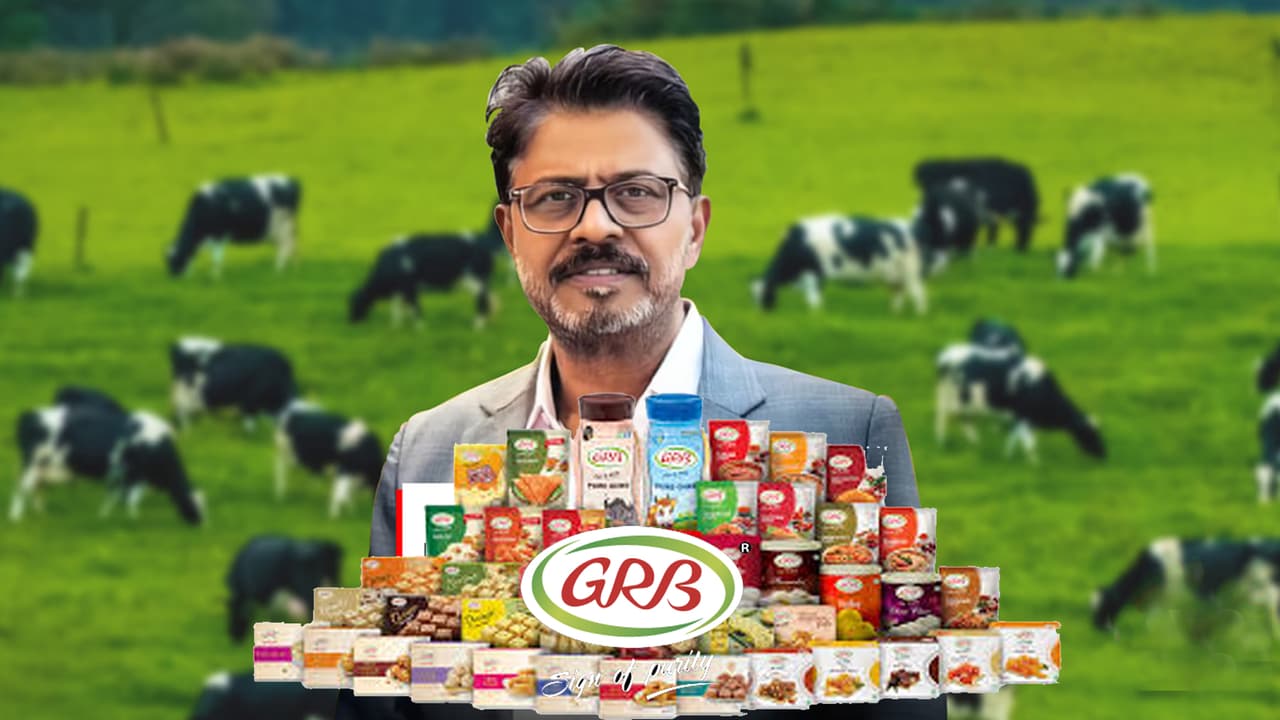
Successful story of GRB Dairy Products
September 22, 2026
September 23, 2026,11:44:23 AM


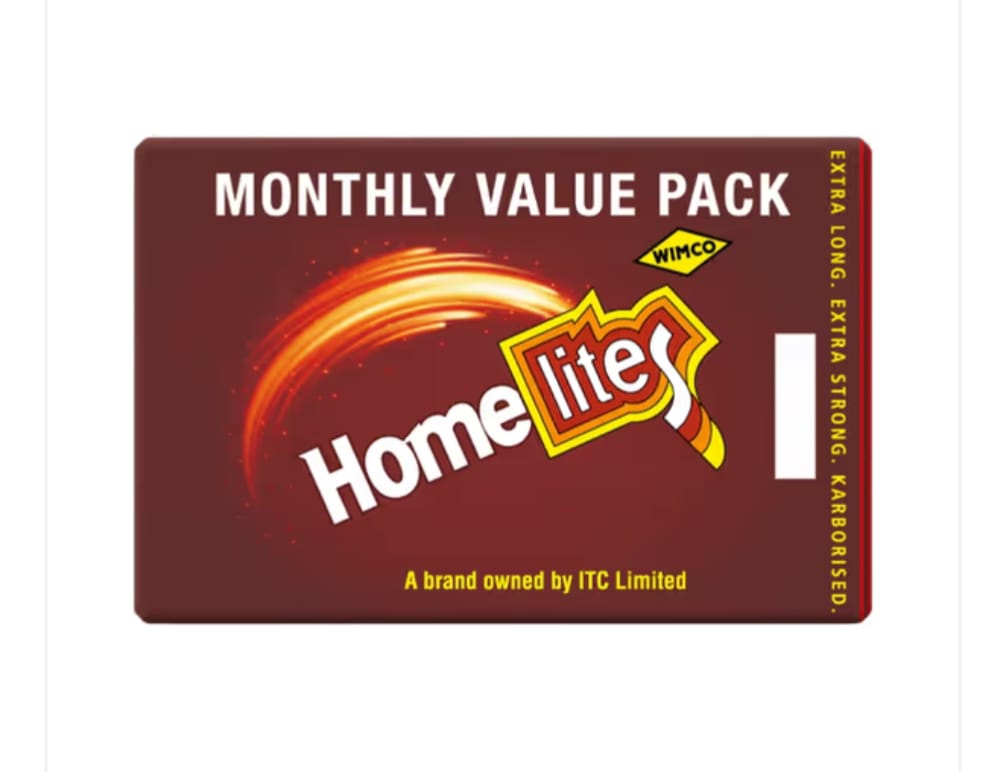
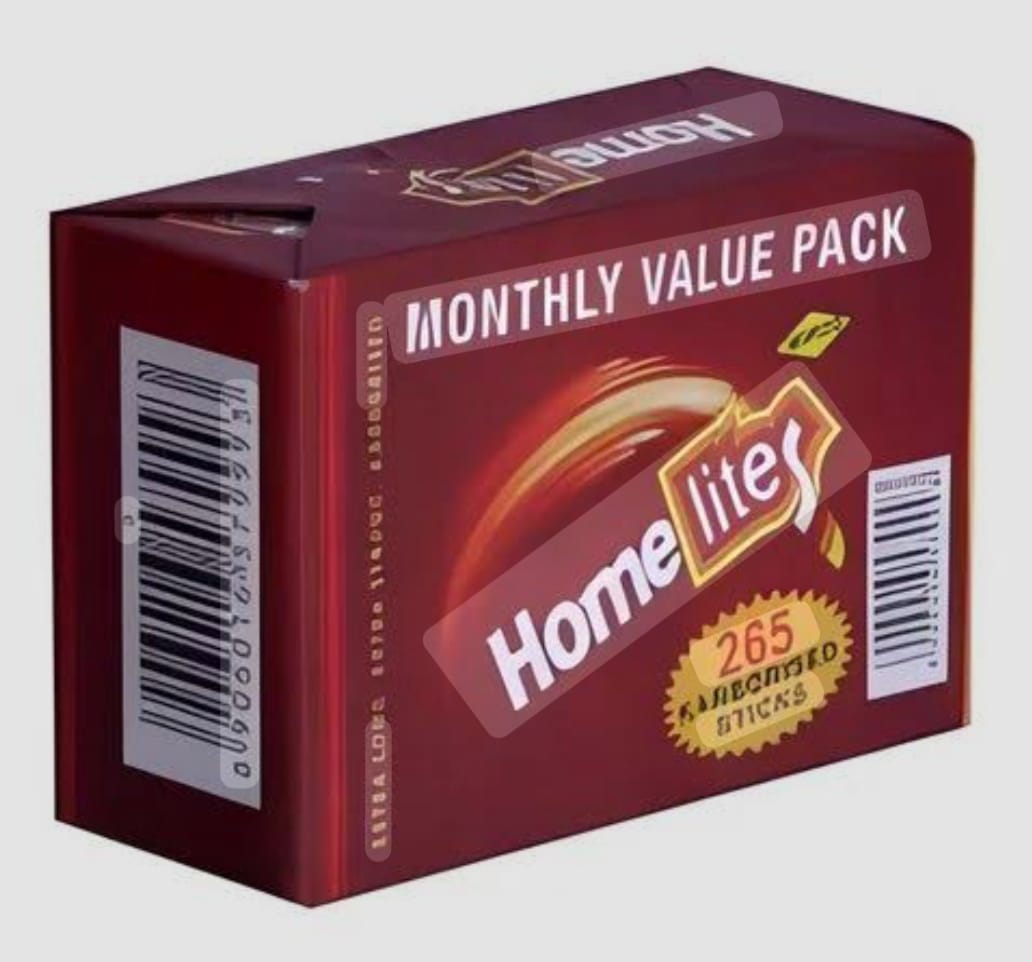
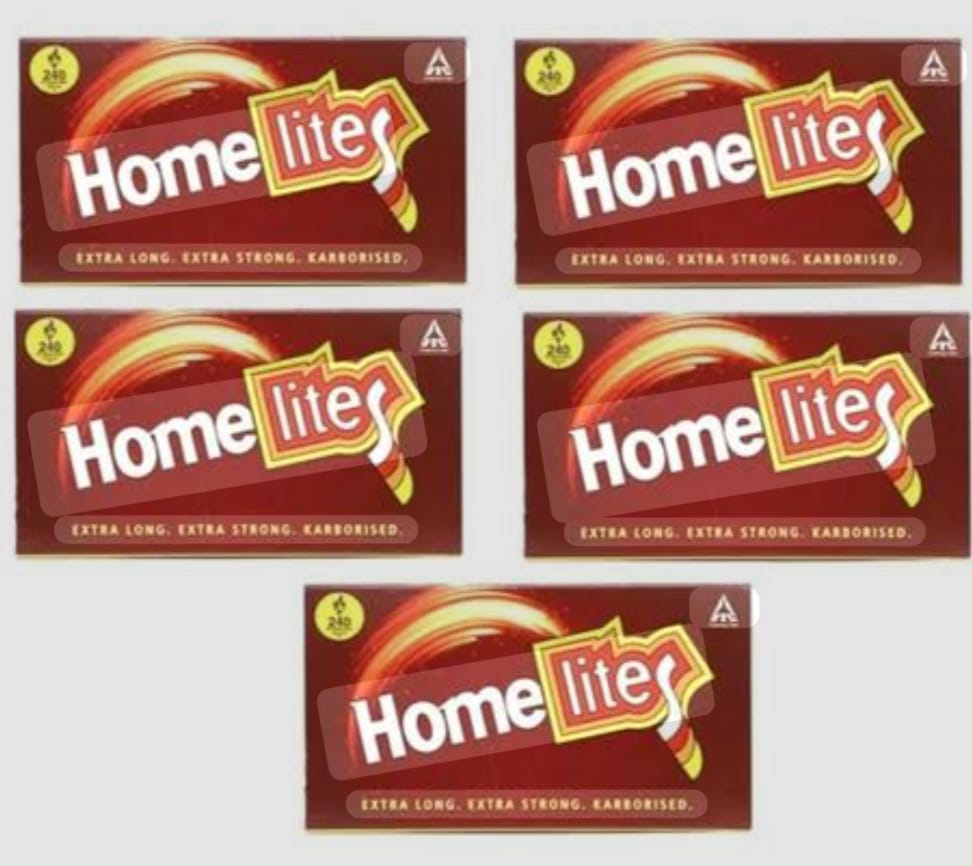
Homelites Matchbox Overview Homelites is a premium safety matchbox brand from India, launched by ITC (formerly through Wimco), targeting urban housewives with longer-lasting, high-quality wax matches. It addressed common issues like poor friction surfaces that wore out quickly. Launch Story and Innovation In the 1980s, amid timber shortages, Wimco shifted to cardboard packaging and improved match quality by fixing the striking surface, which often failed before matches ran out.
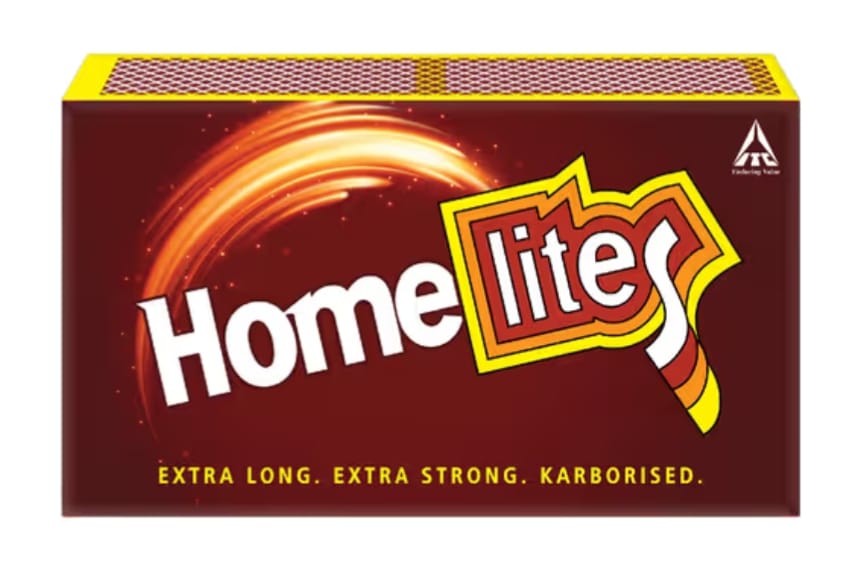
The 300-stick pack launched first in 1985, priced strategically against cheaper options like Ship (600 sticks for Rs 2.50), followed by a convenient 50-stick version for daily use. Testing showed 97% acceptance among housewives for safety, though many preferred traditional designs. Market Impact and Legacy Despite initial quality hiccups, Homelites became popular for reliable one-strike ignition and became part of ITC's lineup alongside AIM and Ship. Today, it's sold as a household essential, emphasising safety and durability for home use.
Wimco, established in 1924 as a Swedish Match Company unit near Bombay, pioneered mechanised safety match production in India, introducing the first modern safety matches amid a shift from handmade Japanese-style ones. Key Early Innovations: Wimco standardised quality through printed maximum retail prices, vertically integrated by manufacturing chemicals like chlorates and pulp, and promoted poplar farming to cut import reliance.
In the mid-1970s, they substituted wooden boxes with cardboard skillets, enabling semi-mechanisation, cost savings, and reduced wood use despite lowering employment. They also experimented with wax matches using wax paper splints to address timber shortages, though high costs limited adoption. Premium Product Launches: Facing 1980s timber crises and rural price competition, Wimco launched Ship Maxi (1985) with longer 48mm European splints for safer ignition, achieving 97% housewife approval but sticking to slide-box designs.
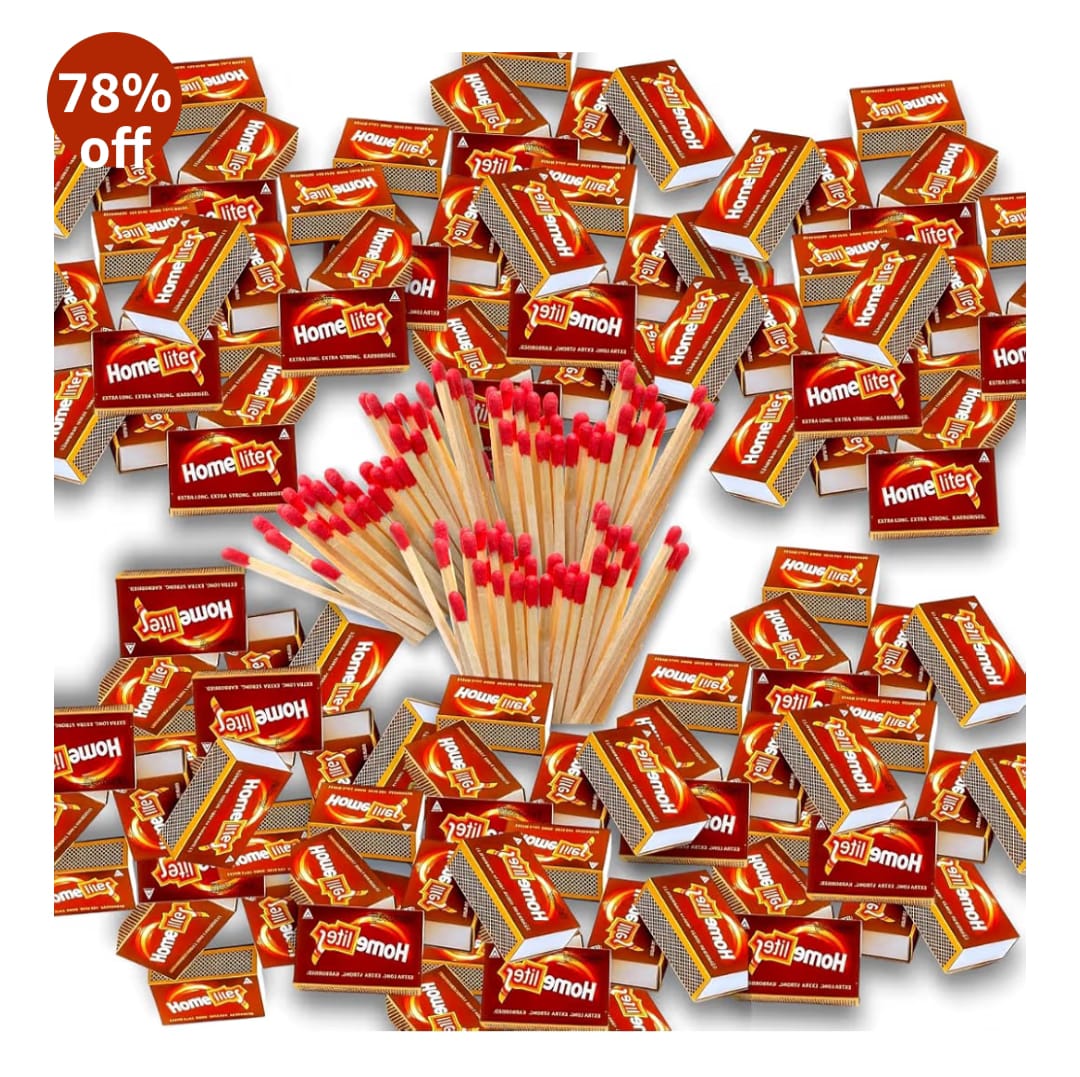
This evolved into Homelites (1987), a premium 50-stick pack targeting urban consumers, emphasising reliability, safety, and convenience over volume brands like Ship. Challenges and Policy Impact: Government caps limited Wimco to 695,000 cases annually, dropping its share to 18% by 1984 via high excise duties favouring handmade sectors, yet it maintained premium positioning. Innovations like these helped Wimco (later under ITC) sustain national presence despite small-scale dominance in Sivakasi.
Homelites matchboxes feature premium safety innovations from Wimco (now ITC), focusing on preventing burns and fire hazards in household use. Safer Features: The matches use carbonised sticks that resist breaking off during burning, reducing loose embers that cause fires. Extra-long sticks protect hands from flames while lighting stoves or diyas, and allow multiple uses per stick for efficiency. Extra-strong construction ensures reliable one-strike ignition without breakage or sparks, outperforming standard wooden matches.
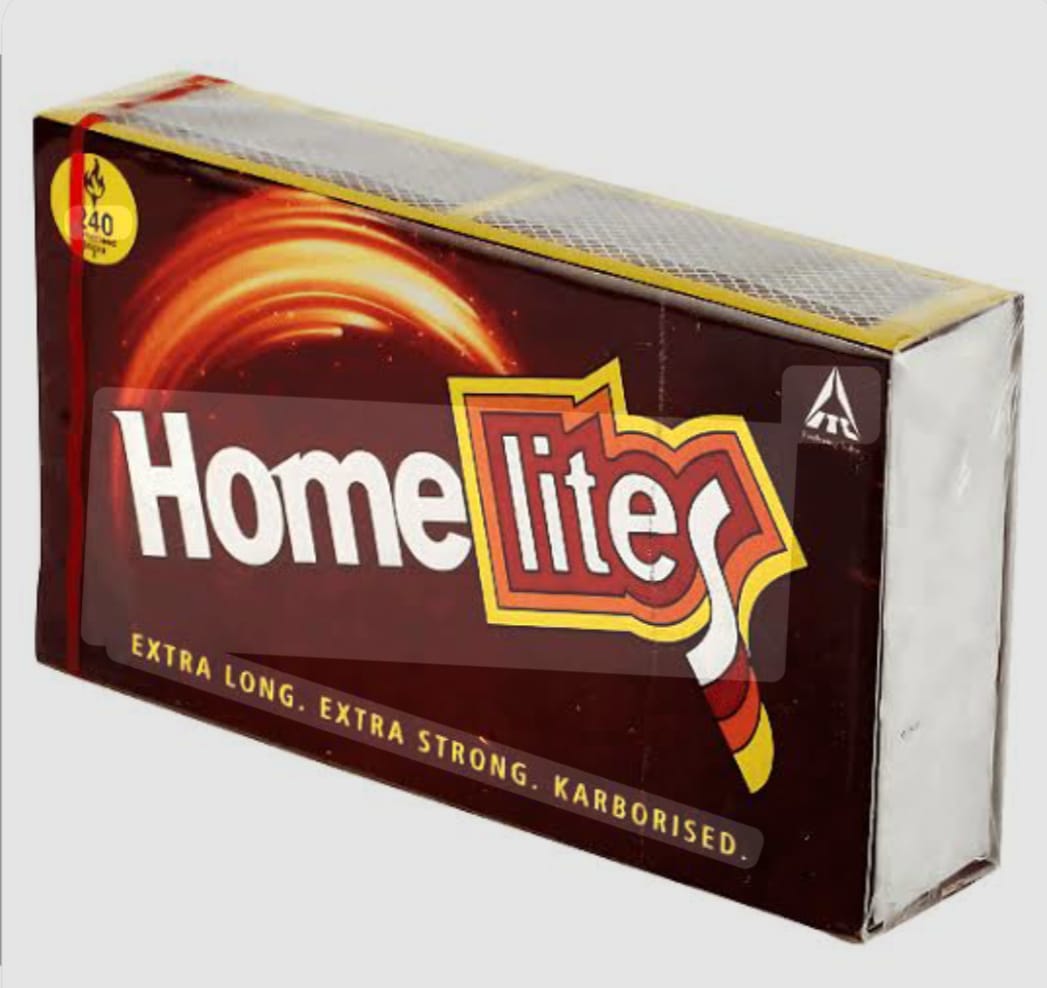
Market ImpactLaunched as a premium urban brand amid 1980s timber shortages, Homelites captured housewives' preference for quality over cheap rural options, boosting Wimco's portfolio alongside Aim and Ship. Despite industry declines from lighters and competition, ITC sustains it via Tamil Nadu sourcing post-Wimco closures, maintaining relevance in a Rs 1,500 crore market shrinking 25% due to alternatives.
Lighters have significantly eroded Indian matchbox sales, particularly since the 2010s, due to their convenience, portability, and low cost of cheap imports. Sales Decline Trends: Matchbox industry revenues dropped 25% in recent years, with around 8,000 units shutting down over a decade, as urban consumers shifted to disposable plastic lighters priced at Rs 10-20. Tamil Nadu's Sivakasi hub, producing 4 crore boxes daily and employing over 1 lakh (mostly women), saw demand slump from easier, lighter use during rituals, smoking, and cooking.
Rural areas resist more due to matchboxes' affordability and eco-friendliness, but overall domestic purchases fell amid stiff urban competition. Government Interventions: India banned imports of lighters priced under Rs 20 in 2023 to protect livelihoods, curb the influx of Chinese goods (USD 8.87M in 2022-23), and promote biodegradable matches over plastic waste. Tamil Nadu CM urged further action in 2022, yet producers halted operations in 2024, protesting inaction, as lighters still capture urban/semi-urban markets growing to USD 776M by 2034. Premium brands like ITC's Homelites persist via quality focus, but volume sales lag behind rechargeable/electronic lighter trends.
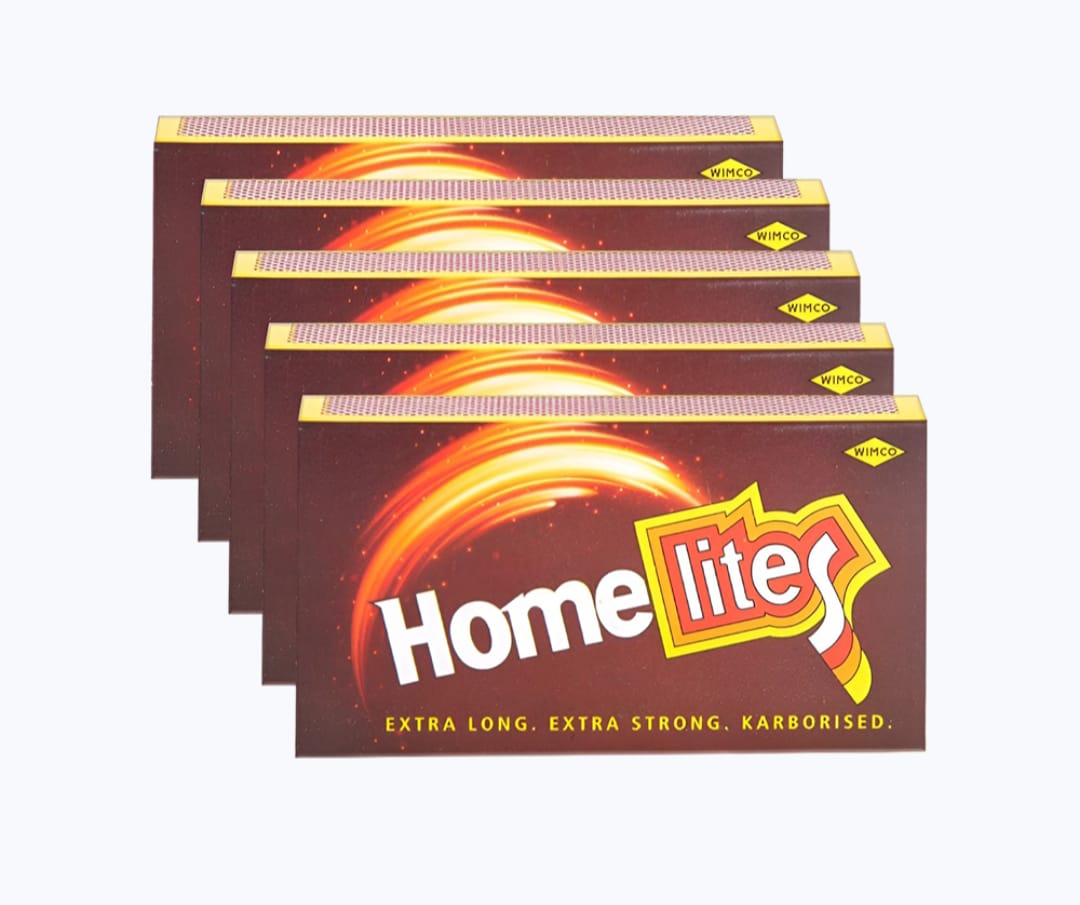
India implemented key import bans on cheap lighters to shield the matchbox industry from Chinese competition and safeguard jobs. Import Bans. In June 2023, the central government prohibited imports of cigarette lighters priced under Rs 20, covering pocket, gas-powered, refillable, and non-refillable types, following appeals from Tamil Nadu's Sivakasi hub.
These targeted smuggled Chinese lighters sold for Rs 10, which undercut matchboxes by replacing 20 boxes per unit, amid environmental concerns over plastic waste. Further curbs in October 2024 restricted lighter parts imports to boost local manufacturing and reduce China dependency. State and Industry AdvocacyTamil Nadu CM MK Stalin urged the ban in 2022, highlighting over 1 lakh jobs (mostly women) in match production. Manufacturers petitioned for statewide sales bans like Andaman & Nicobar's, leading to 2024 strikes when smuggling persisted via Nepal routes, evading Rs 12,000 crore in taxes. Safeguard proposals included anti-dumping duties and subsidies for matchbox makers to enhance sustainability.
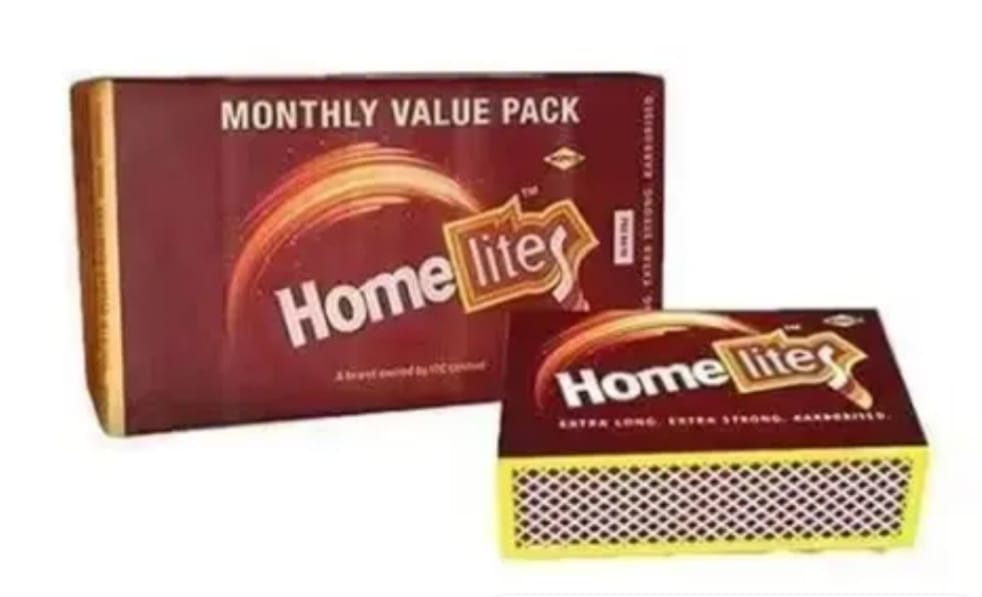
Homelites holds a niche position in India's shrinking matchbox market as a premium ITC brand, but lacks publicly available, exact market share figures in recent data. Historical Share ContextWimco, Homelites' original maker, dominated with 29% volume share pre-1977, dropping to 17% by 1989 due to policy shifts favouring small producers. ITC acquired Wimco in 2011, rebranding legacy lines like Homelites alongside top-seller Aim, yet no specific Homelites percentage is reported amid overall industry decline.
Current Positioning: As a high-end safety match targeting urban households, Homelites focuses on quality over volume in a Rs 1,500 crore market down 25% from lighter competition, with ITC sourcing from Tamil Nadu small units. Aim remains ITC's volume leader, implying Homelites' share is modest within the organised segment's ~10-20% of total sales
India's matchbox market is fragmented, dominated by unorganised small-scale producers in Sivakasi (over 90% share), with organised players like ITC holding the rest. Key Competitors and Shares. ITC brands (Aim as top-seller, Homelites, Ship, I Kno) command the organised segment (~10-20% national volume), historically from Wimco's legacy, though exact splits are unavailable.
Sivakasi firms like Sri Kaliswari (up to 35% in Tamil Nadu), Asia Match Co. (20-28% regional), Rajashree Match Works (22-28% in the north), and Geewin Matches lead exports and local sales. Rural loyalty sustains volumes despite lighters; exports (₹240 crore/year) bolster leaders like Geewin (global context).
Tamil Nadu dominates India's matchbox production with over 90% of national output from Sivakasi and Kovilpatti hubs, where thousands of small factories hold the vast majority of market share. Key Producers and Shares. Unorganised small-scale units control 70-80% of production, up from earlier organised dominance, due to tax advantages and flexibility in Kovilpatti and Virudhunagar.
Sivakasi hosts over 6,000 factories producing 80% of India's matches, focusing on safety and wax variants for domestic and export markets. Organised players like ITC outsource from these clusters, but locals lead via partial mechanisation (80% of units)
Homelites, as a brand under ITC's safety matches portfolio, does not have a publicly disclosed standalone net worth or brand valuation. Brand ContextITC reports consolidated financials across FMCG segments, where safety matches (including Homelites, Aim, and Ship) form a minor portion of its ₹79,809 crore revenue and ₹35,356 crore profit as of 2025.
No specific valuation exists for Homelites amid the shrinking matchbox market. Parent Company ScaleITC's total market cap stands at ₹4,08,391 crore, with FMCG (non-cigarette) contributing modestly alongside cigarettes, hotels, and agri-business. Matches remain a legacy, low-volume line post-Wimco acquisition, lacking individual asset reportingThe
September 22, 2026

September 18, 2026
Icons of Indian Business: Icons of Indian Business is a monthly business magazine targeted at Indian business owners, traders and entrepreneurial enthusiasts. It provides online media solutions for Entrepreneurs. IIB has been the definite guide to the diverse challenges of entrepreneurship. Each edition consists of entrepreneurs ... with the all information they require and demand to grow their business. Iconsindianbusiness.com offers a daily source of information, strategic insights and how-to guidance on virtually every area of business management, from leadership to marketing, technology and money matters. IIB connects with millions of business owners who drives forward with the ideas and innovations.Make your brand the preferred choice with these affluent business decision-makers through a variety of customized programs integrated across digital,print,event and community platforms. IIB team works from Bangalore,Karnataka, but has a presence throughout India through its correspondents. IIB published 12 times a year, available in print and digital editions.
© 2024 Iconsofindianbusiness.com. All Right Reserved.