Samosa Singh is a Bengaluru-based food startup founded by husband-and-wife Nidhi Singh and Shikhar Veer Singh
November 6, 2026
November 6, 2026,5:28:22 PM


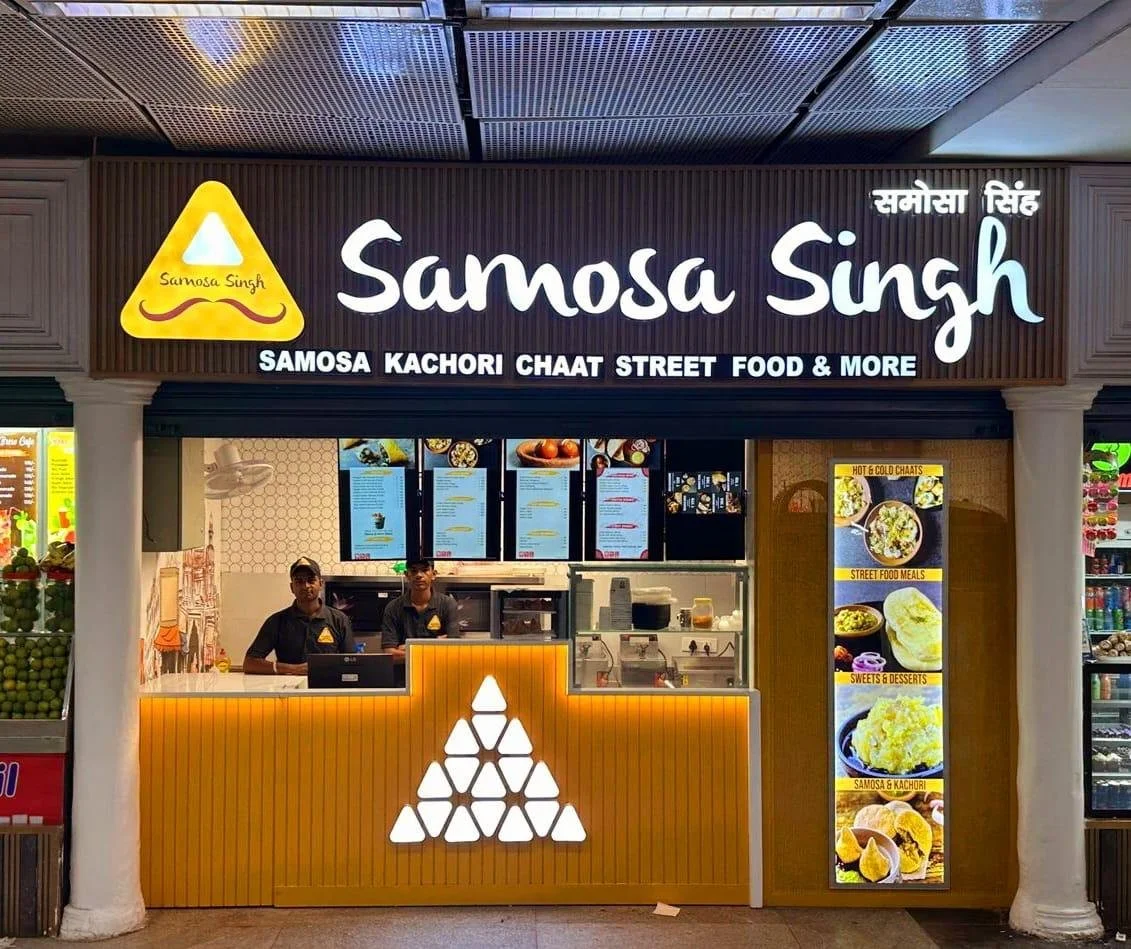
Samosa Singh is a Bengaluru-based food startup founded by husband-and-wife Nidhi Singh and Shikhar Veer Singh. They left secure corporate careers, sold their flat to fund the business, and turned India’s humble samosa into a standardised, scalable QSR brand.
How it began:
The idea came when Nidhi noticed how strongly people craved samosas, yet the market remained largely unorganised and inconsistent. The couple quit their jobs in 2015 and launched the first Samosa Singh outlet in Bengaluru in February 2016. They invested their savings and sold their home to build the business.
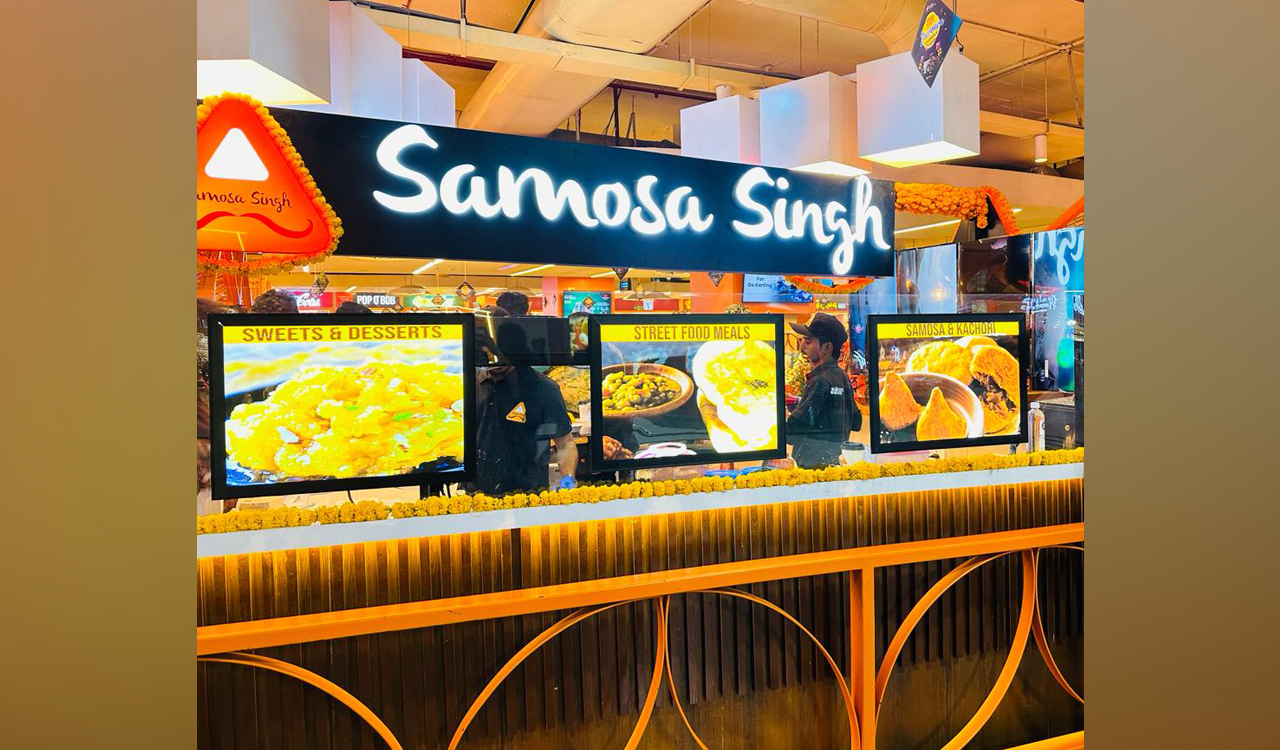
Their early focus was not just selling snacks, but creating a repeatable product: a specially formulated product while retaining a familiar taste. Standardisation: A centralised manufacturing model helped maintain consistent quality across locations, a major challenge in food retail. Scalable operations: Rather than relying only on individual outlets, they built production and distribution capacity, including an automated kitchen in Bengaluru.
Popular flavours:
Offerings such as butter chicken and kadhai paneer samosas helped position the brand as a modern, premium version of a traditional snack. Growth and results: After the pandemic, Samosa Singh expanded beyond Bengaluru into cities including Mumbai, Pune, Chennai, and Delhi. The company reportedly grew to around 50 cloud kitchens and about 40–50 outlets, with an annual turnover of roughly ₹45 crore reported in 2023.
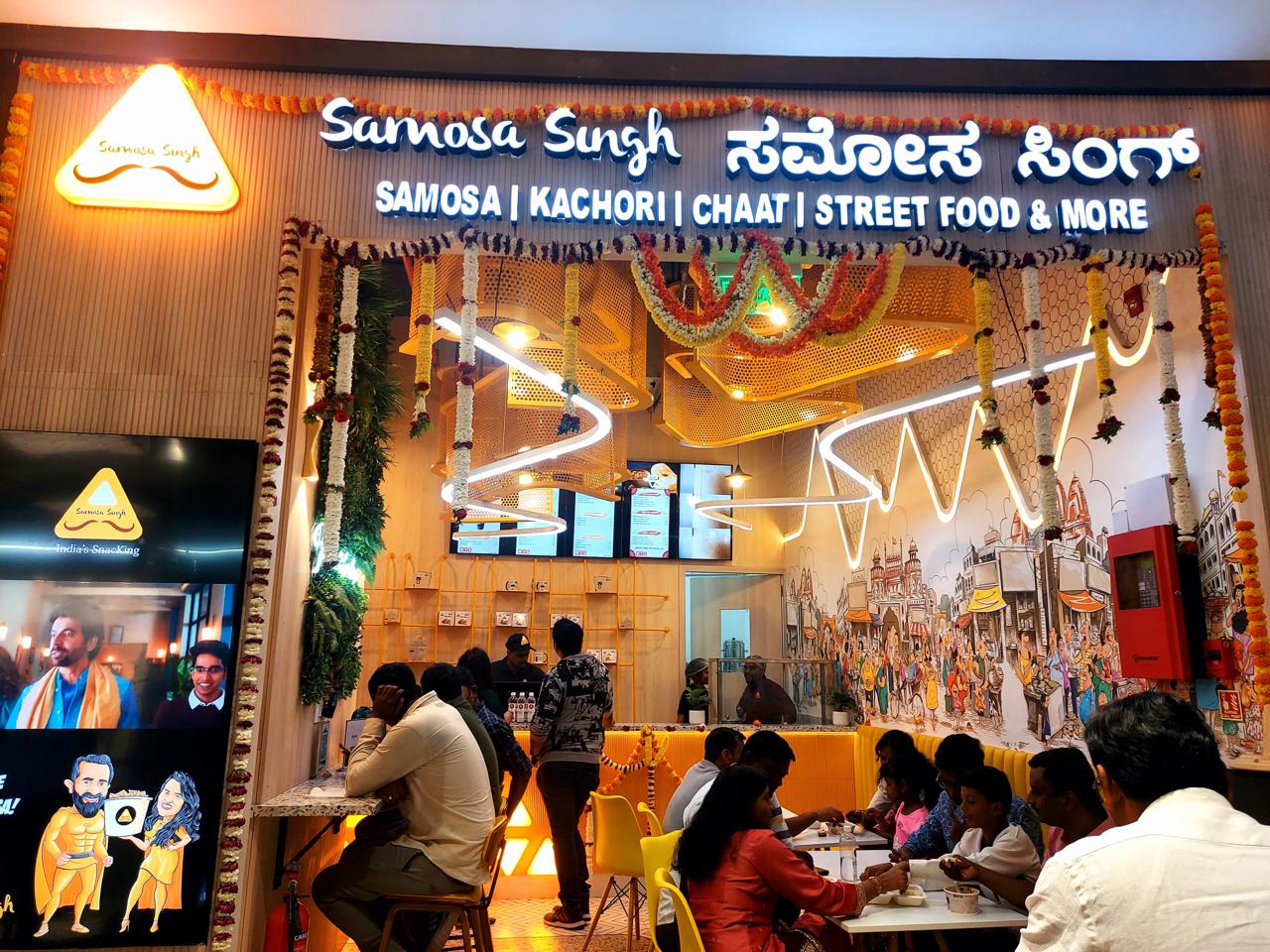
More recent reports say operating revenue rose from ₹13.9 crore in FY24 to ₹18 crore in FY25, about 30% growth, and that the company reached an estimated valuation of ₹200 crore after a 2026 funding round. Key lesson: Samosa Singh’s success came from treating a familiar street food as a manufacturing and brand-building problem, not merely a restaurant idea. By standardising taste, improving the product, and building centralised production, the founders turned a low-ticket snack into a multi-city food business.
Samosa Singh’s biggest challenges were product consistency, production capacity, consumer perception, COVID-19 disruption, and profitability at scale. The founders solved many early problems through process innovation, but scaling a low-priced snack into a profitable multi-city brand remains difficult.
Product and quality control:
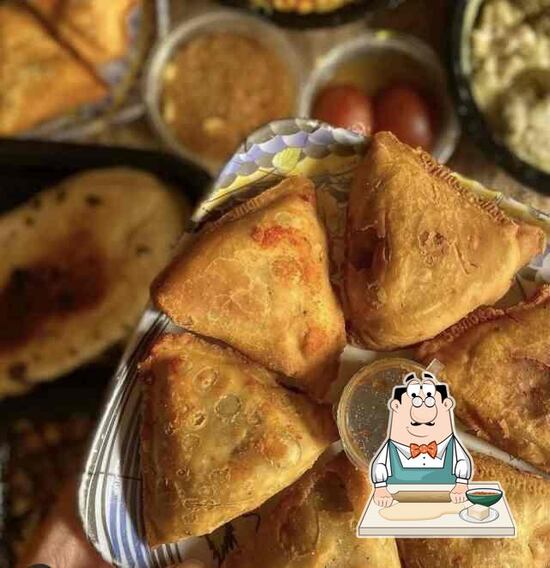
A samosa is easy to make in small batches but hard to standardise across thousands of units. The founders had to experiment with dough, gluten development, fillings, spices, frying, and preparation methods so the product stayed crisp and consistent as volumes grew. They also faced a specific formulation challenge: keeping a crispy outer layer for richer fillings such as butter chicken and kadhai paneer. Their answer was extensive R&D and automated machinery to reduce manual variation and human error.
Capacity and funding:
The business began with a small kitchen operated by the two founders, which could not support a large corporate order. They worked nearly non-stop—Nidhi recalled a 48-hour kitchen shift—and eventually sold their ₹80 lakh Bengaluru apartment to fund a larger kitchen and manufacturing setup.
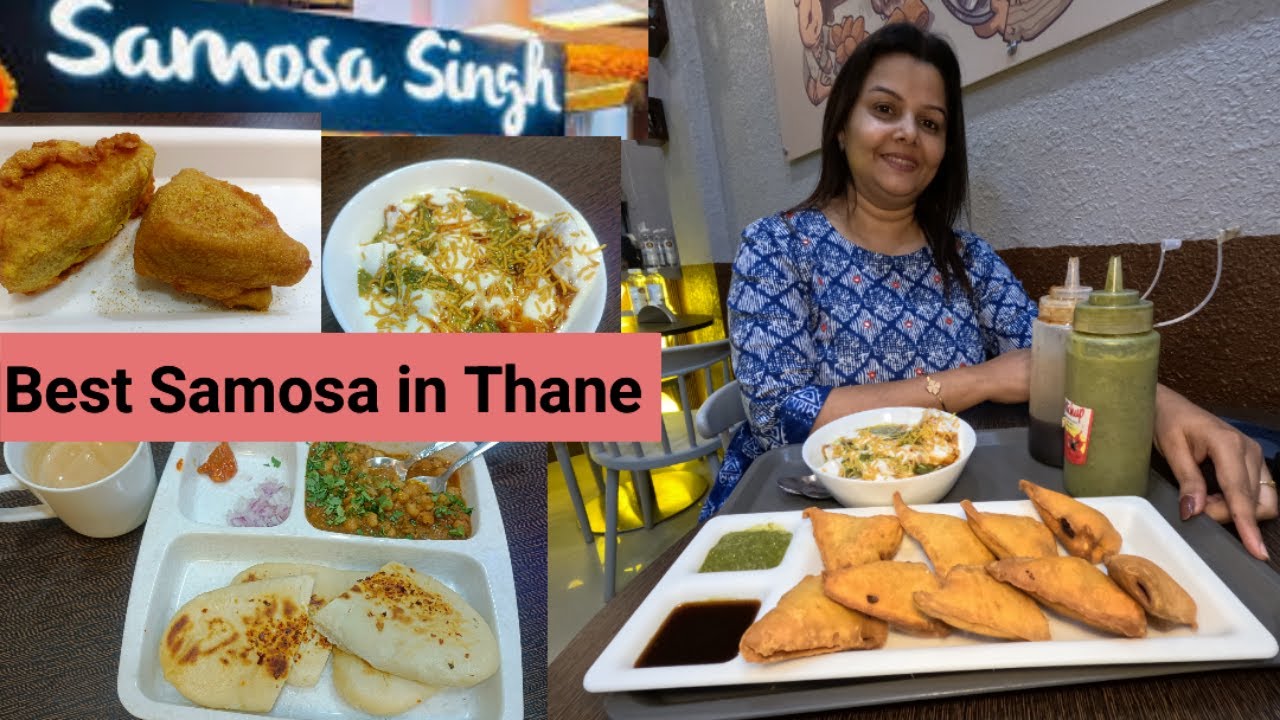
This was a major personal and financial risk: rather than immediately raising outside capital and diluting ownership, they used proceeds from their home to build production capacity. Consumer perception: Samosa Singh had to convince customers that a samosa could be more than a basic potato snack. Because people already had strong regional and personal preferences, changing that mindset was described by the founders as their biggest challenge. The company used food festivals, new fillings, and a more premium, branded experience to reposition the samosa as a modern quick-service food product.
COVID-19 shock:
Samosa Singh’s early revenue relied heavily on B2B channels such as multiplexes, cafes, airports, and corporate catering. When the pandemic shut those venues, about 80% of revenue disappeared almost overnight, and revenue reportedly fell to zero.
The company had to quickly secure approvals to operate as an essential food business, shift toward delivery and retail demand, and rebuild its channel mix. Profitability and scaling costs: Even after reaching an estimated ₹200 crore valuation, Samosa Singh continued to face pressure on profitability.
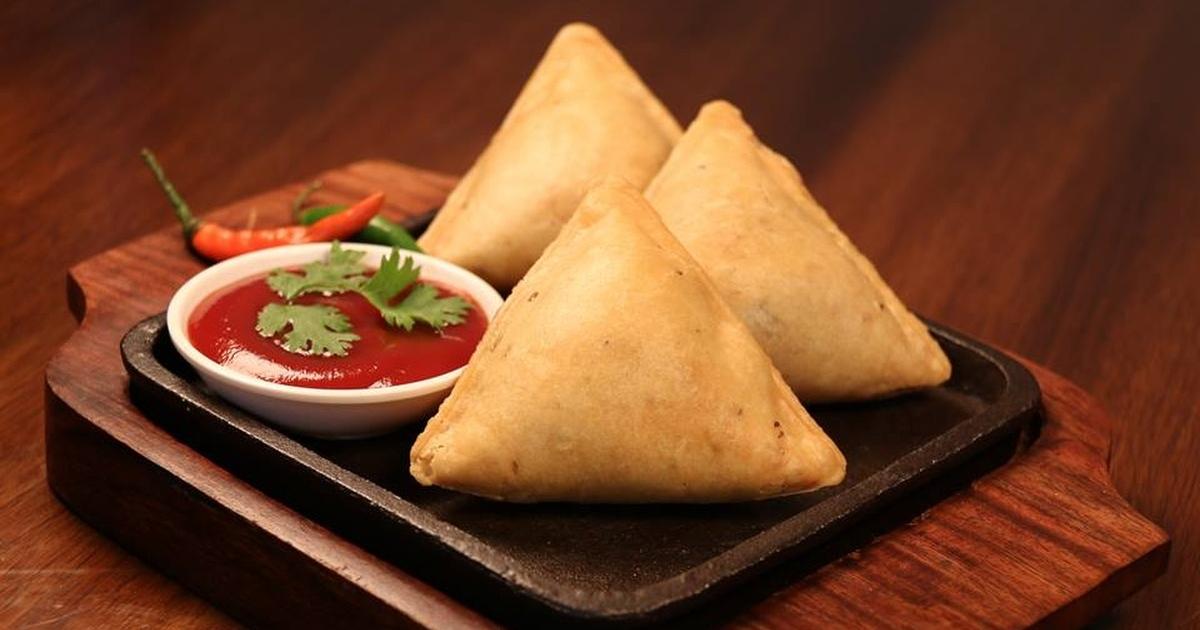
In FY25, revenue rose to about ₹18 crore from ₹13.9 crore in FY24, but total expenses were roughly ₹23.8 crore, producing a net loss of about ₹5.7 crore. Manufacturing, employee costs, operations, and expansion into new cities continue to strain margins. This reflects the core challenge of organised street-food retail: high consistency and scale require investment, while samosas remain a low-ticket product.
Main takeaway:
Samosa Singh’s journey shows that the hardest part of a food startup is not inventing a popular product—it is making that product identical, affordable, available, and profitable across many locations. The company overcame early capacity and product problems, but profitability remains its principal ongoing challenge.
Samosa Singh has raised venture capital across seed, Series A, and later funding extensions. Its most prominent institutional investors include She Capital, Fireside Ventures, Equanimity Investments, Akatsuki Entertainment Technology Fund, and AL Trust. Funding journey: Key investors: She Capital: Led Samosa Singh’s $2.7 million Series A round in January 2020.
Fireside Ventures: A consumer-focused venture firm that invested in the seed round and returned for the Series A. Equanimity Investments: Participated as an early-stage investor in the Series A. Akatsuki Entertainment Technology Fund (AET Fund): A Japan-based investor in the Series A round. AL Trust: Also joined the Series A round.
Angel investors and networks:
The company has also received backing from angels including Ajay Kaul, and platforms/networks such as AngelList and Mumbai Angels. How the capital was used: The Series A capital was earmarked for expanding manufacturing, strengthening operations, and growing into additional Indian cities.
This aligned with Samosa Singh’s strategy of moving from a small Bengaluru kitchen to centralised production, cloud kitchens, and a broader quick-service-restaurant footprint. Important nuance: Public databases differ on the exact total raised because they count multiple small rounds, extensions, and angel investments differently. The most clearly documented institutional round remains the $2.7 million Series A, while later reports indicate cumulative funding of roughly $7.6 million across 12 rounds.
November 4, 2026
October 26, 2026
October 24, 2026
Icons of Indian Business: Icons of Indian Business is a monthly business magazine targeted at Indian business owners, traders and entrepreneurial enthusiasts. It provides online media solutions for Entrepreneurs. IIB has been the definite guide to the diverse challenges of entrepreneurship. Each edition consists of entrepreneurs ... with the all information they require and demand to grow their business. Iconsindianbusiness.com offers a daily source of information, strategic insights and how-to guidance on virtually every area of business management, from leadership to marketing, technology and money matters. IIB connects with millions of business owners who drives forward with the ideas and innovations.Make your brand the preferred choice with these affluent business decision-makers through a variety of customized programs integrated across digital,print,event and community platforms. IIB team works from Bangalore,Karnataka, but has a presence throughout India through its correspondents. IIB published 12 times a year, available in print and digital editions.
© 2024 Iconsofindianbusiness.com. All Right Reserved.